

'%3e%3crect opacity='0.2' width='32' height='32' fill='%2312306C'/%3e%3cpath d='M24.2885 25.0767C24.8494 24.964 25.1815 24.3707 24.8951 23.8718C24.2439 22.7376 23.2141 21.7409 21.8952 20.9822C20.2039 20.0094 18.1317 19.4821 16 19.4821C13.8683 19.4821 11.7961 20.0094 10.1049 20.9822C8.78587 21.7409 7.75609 22.7376 7.10495 23.8718C6.8185 24.3707 7.15063 24.964 7.71154 25.0767L8.68725 25.2727C13.5149 26.2424 18.4851 26.2424 23.3128 25.2727L24.2885 25.0767Z' fill='%2312306C'/%3e%3cpath d='M22.2359 12.2225C22.2359 15.659 19.444 18.4449 16 18.4449C12.556 18.4449 9.76407 15.659 9.76407 12.2225C9.76407 8.78589 12.556 6 16 6C19.444 6 22.2359 8.78589 22.2359 12.2225Z' fill='%2312306C'/%3e%3c/g%3e%3cdefs%3e%3cclipPath id='clip0_2531_12631'%3e%3crect width='32' height='32' rx='16' fill='white'/%3e%3c/clipPath%3e%3c/defs%3e%3c/svg%3e)

By Dr. Brandon Colby MD, a physician-expert in the fields of Genomics and Personalized Preventive Medicine.

Women who inherit certain gene mutations are at an increased risk of developing breast cancer. Genetic testing for breast cancer risk can identify whether someone carries the mutations most commonly associated with the disease.
Your DNA and Breast Cancer
Mutations in two genes, BRCA1 and BRCA2, are found in many women who develop breast cancer. Those who carry changes in these genes are said to have Hereditary Breast and Ovarian Cancer (HBOC) syndrome. By identifying these mutations, it is possible to implement preventive measures that can meaningfully reduce the risk of developing breast cancer and related cancers.
Women with a family history of breast cancer are at elevated risk. While most women who develop breast cancer do not carry an inherited gene mutation, carrying the gene is a significant indicator that the person may be at elevated risk for breast cancer or another form of cancer at some point in life.
What to Expect from Genetic Testing for Breast Cancer
Blood, saliva, or a swab of the cheek are the most common ways to retrieve a DNA sample for breast cancer genetic testing. Once retrieved, the sample is sent to the lab for analysis, looking specifically for mutations in BRCA1, BRCA2, and other relevant genes.
Different analyses are available. Some test for one or a few mutations while others look at a broad panel of mutations. The type and number of mutations analyzed depend on the individual's situation. For instance, those of Ashkenazi Jewish descent carry a specific mutation in the BRCA gene associated with higher breast cancer risk, so that variant is typically evaluated first.
Genetic testing for breast cancer is a risk predictor, not a diagnosis. Results communicate whether there is an elevated risk. The information found in a genetic test may include gene mutations such as BRCA1, BRCA2, BARD1, ATM, CHEK2, PALB2, PTEN, TP53, FGFR2, and TNRC9. Because test results can be difficult to interpret, speaking with a genetic counselor is strongly recommended to understand the implications.
When Should You Get Genetic Testing for Breast Cancer
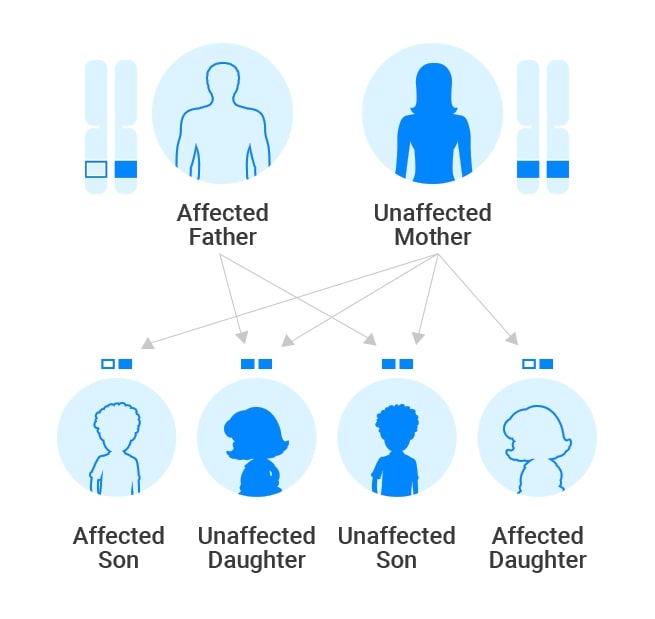
Guidelines indicate that anyone who has had breast cancer or has a family history of it should seek genetic testing. However, genetic testing for breast cancer risk is appropriate at any age. Dr. Colby notes: "Children and even babies should be tested for breast cancer predisposition as the preventive measures are most effective when started early and continued throughout life."
Guidelines for Genetic Testing for Breast Cancer
Many expert groups have developed guidelines for breast cancer genetic testing. These guidelines identify people who should seek genetic counseling and testing for BRCA gene mutations. Considerations include:
- A personal history of breast cancer, particularly triple-negative breast cancer
- Multiple breast cancer diagnoses that are not recurrences of the same tumor
- Ashkenazi Jewish or Eastern European descent
- Family history of breast, ovarian, pancreatic, or prostate cancer
- Known family history of a BRCA mutation
- Family history of breast cancer at a young age or in multiple family members, including male relatives
- Close relatives with a history of ovarian cancer, pancreatic cancer, or metastatic prostate cancer
BRCA1 and BRCA2 Gene Mutations
BRCA1 and BRCA2 gene mutations are among the most studied in oncology. People who carry these mutations are at significantly elevated risk for breast cancer and ovarian cancer. Because these mutations are inherited, people with a family history of breast cancer should seek genetic testing to determine whether they carry one.
PALB2 Gene Mutation
As Dr. Colby explains: "While genetic variants within the BRCA1/2 genes are most infamously associated with breast cancer, there are actually many different genetic variants in a large number of other genes that are also associated with an increased risk of breast cancer, and accurate analysis of risk should take them all into consideration."
The PALB2 gene works in partnership with BRCA2 to repair damaged DNA and suppress tumor growth. Research published in the New England Journal of Medicine in 2014 suggested that a PALB2 mutation may be as indicative of breast cancer risk as BRCA1 and BRCA2. That study found the PALB2 gene mutation increased breast cancer risk 5 to 9 times above average, with 229 of 311 women carrying an abnormal PALB2 gene eventually diagnosed with breast cancer.
What Are Gene Mutations
Gene mutations are abnormal changes in DNA. People experience changes in their DNA in two ways.
- Acquired Mutations: Cells become damaged during replication by a virus or exposure to carcinogens.
- Hereditary or Germline Mutations: These are passed down from generation to generation.
Acquired mutations are the most common cause. Inherited mutations account for approximately 10 percent of cancer cases.
Special Information for Men: Male Breast Cancer
Despite increased awareness, many men do not take the necessary precautions to detect breast cancer early. Dr. Colby notes: "Males are an important part of our fight against breast cancer. Males can also have a substantially increased risk of breast cancer and it is also important for a man to know if he has an increased risk because then he will know of the importance of having his children tested when they are young so preventive measures can be implemented as well as informing his relatives so they can have genetic testing."
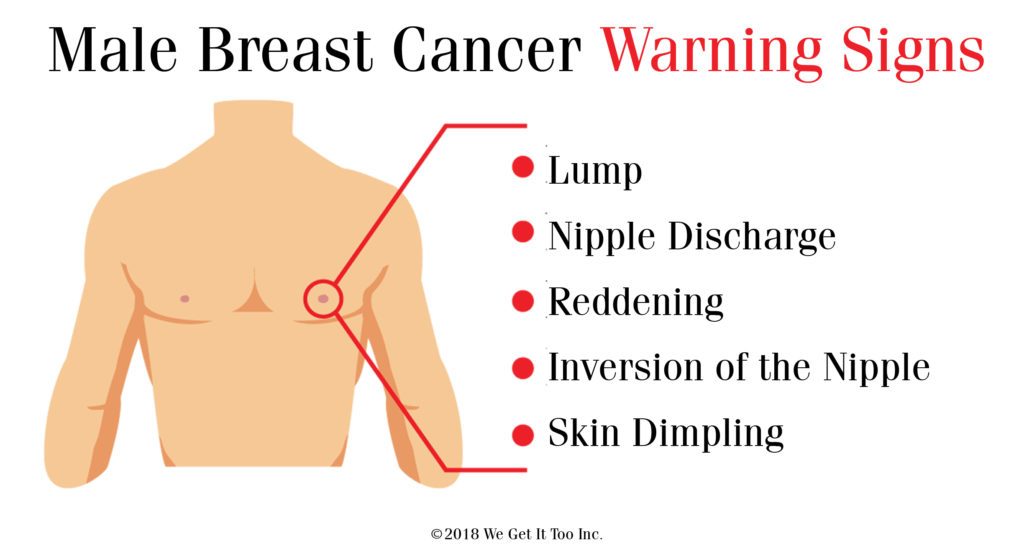
Signs of male breast cancer include a hard lump in the breast that does not move, nipples that turn inward, nipple discharge (clear or bloody), sores or rash around the nipples, hardness or swelling of the skin near the nipple, and swollen glands in the armpit. Any concerns should be reported to a healthcare provider promptly.
Implications of Genetic Testing

A positive result for a gene mutation does not mean breast cancer is certain. Similarly, a negative result does not mean breast cancer will never develop. Genetic testing identifies risk. That information can be used to reduce risk through options including preventive surgery such as mastectomy, chemoprevention with medications that block estrogen receptors such as tamoxifen, and practical measures such as minimizing radiation exposure through avoidance of unnecessary X-rays and CT scans.
How Much Does Genetic Testing for Breast Cancer Cost
Insurance companies in the United States often cover BRCA testing because it is less expensive than cancer treatment. However, coverage and criteria vary by plan. Some insurers only cover testing under specific circumstances, such as when there are risk factors including family history. Contacting your insurance provider directly is the best way to confirm coverage.
As Dr. Colby notes: "Predictive medicine has the potential to significantly decrease the costs of healthcare." Genetic testing identifies whether someone should investigate preventive options, which is a more precise approach than mammograms alone and avoids the radiation exposure that mammograms involve.
Comprehensive Analysis of Breast Cancer and Ovarian Cancer-Related Genes
Apps in the Sequencing Partner Marketplace can analyze DNA data for breast cancer and ovarian cancer risk, examining genes including BRCA1, BRCA2, BARD1, ATM, CHEK2, PALB2, PTEN, TP53, FGFR2, and TNRC9. These apps can analyze raw DNA data from 23andMe, AncestryDNA, MyHeritage, FamilyTreeDNA, and many other providers.
For the most comprehensive assessment, Whole Genome Sequencing is the most thorough option, analyzing 100% of your DNA across over 30,000 genes. This ensures complete data across all breast cancer-related genes with no gaps. Whole Genome Sequencing from Sequencing uses clinical-grade sequencing and is the foundation for the most complete risk analysis available.
To order Whole Genome Sequencing, visit the Sequencing store.
Already have DNA data from another provider? Sequencing works with raw data files from virtually all testing companies including 23andMe, AncestryDNA, MyHeritage, FamilyTreeDNA, and many more. Upload your data for free and start exploring personalized insights across over 30,000 genes.