
Spotlight on Spinocerebellar Ataxia 7: Unraveling the Genetic Threads
By Brandon Colby, MD, Physician specializing in genetic analysis and personalized preventive medicine, and author of Outsmart Your Genes.
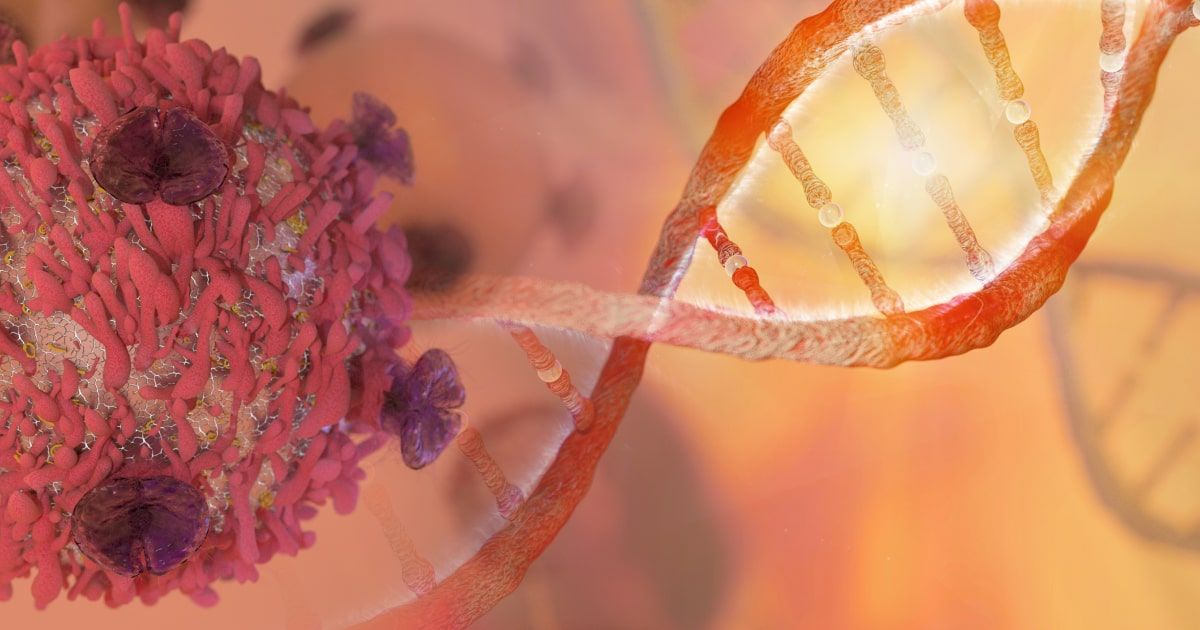
Spinocerebellar ataxia 7 (SCA7) is a progressive, neurodegenerative disorder that affects the cerebellum—the part of the brain responsible for coordinating movement. This form of ataxia is hereditary, meaning it is passed down through families. The disease is characterized by a gradual loss of coordination, balance issues, and, in many cases, vision problems due to retinal degeneration. As with many genetic disorders, early diagnosis and understanding of the genetic underpinnings of SCA7 are crucial for managing the disease effectively. Recent advances in genetic testing have opened new avenues for diagnosis and potential treatment strategies.
Understanding Spinocerebellar Ataxia 7
SCA7 is part of a larger group of hereditary ataxias, which are caused by genetic mutations. Specifically, SCA7 is linked to a mutation in the ATXN7 gene. This mutation leads to the production of an abnormal protein that accumulates in the brain, disrupting normal cellular functions. The condition is autosomal dominant, meaning a single copy of the mutated gene can cause the disease. Symptoms often begin in early adulthood, but the age of onset can vary, even within the same family.
The Role of Genetic Testing
Genetic testing has become an invaluable tool in diagnosing hereditary conditions like SCA7. By identifying specific genetic mutations, healthcare providers can offer more accurate diagnoses, predict disease progression, and guide treatment decisions. Genetic testing for SCA7 typically involves analyzing DNA samples to detect the presence of the ATXN7 gene mutation. This process can provide clarity for families with a history of ataxia, allowing them to understand their risk and make informed decisions about their health.
Early Diagnosis and Intervention
One of the primary benefits of genetic testing is the ability to diagnose SCA7 before symptoms appear. Early diagnosis can be particularly important for managing the disease, as it allows for timely interventions that may slow progression and improve quality of life. For individuals at risk of SCA7, genetic testing can offer peace of mind or prompt them to seek early treatment options.
Family Planning and Genetic Counseling
Genetic testing also plays a crucial role in family planning. For families with a history of SCA7, understanding the genetic risks can inform reproductive choices. Genetic counseling can provide support and guidance, helping families understand the implications of test results and explore options such as preimplantation genetic diagnosis (PGD) or prenatal testing. These tools empower families to make informed decisions about having children and managing potential risks.
Guiding Treatment and Research
While there is currently no cure for SCA7, genetic testing can guide treatment strategies. By understanding the specific genetic mutation involved, healthcare providers can tailor management plans to the individual, potentially improving outcomes. Moreover, genetic research continues to explore targeted therapies that address the underlying genetic causes of SCA7. As our understanding of the genetic basis of the disease grows, so too does the potential for developing effective treatments.
Advancements in Genetic Testing Technologies
The field of genetic testing is rapidly evolving, with new technologies enhancing our ability to diagnose and understand hereditary conditions like SCA7. Advanced sequencing technologies, such as next-generation sequencing (NGS), have revolutionized genetic testing, allowing for the detection of a broader range of genetic mutations with greater accuracy and efficiency. These advancements not only improve diagnostic capabilities but also contribute to ongoing research efforts aimed at uncovering new genetic discoveries and refining diagnostic strategies.
According to a recent review published in the Cerebellum journal, these technological advancements are paving the way for improved diagnostic strategies and a deeper understanding of the genetic causes of hereditary cerebellar ataxias, including SCA7. As researchers continue to identify new genes associated with these disorders, the potential for developing targeted therapies and personalized treatment approaches grows.
Conclusion
Spinocerebellar ataxia 7 is a challenging condition, but advances in genetic testing offer hope for better management and treatment options. By providing early diagnosis, guiding family planning, and informing treatment strategies, genetic testing serves as a powerful tool in the fight against SCA7. As research continues to uncover the genetic intricacies of this disease, the future looks promising for those affected by SCA7 and their families.