
Cracking the Code: Genetic Testing for Congenital Nonbullous Ichthyosiform Erythroderma
Medically reviewed by Brandon Colby, MD, last reviewed
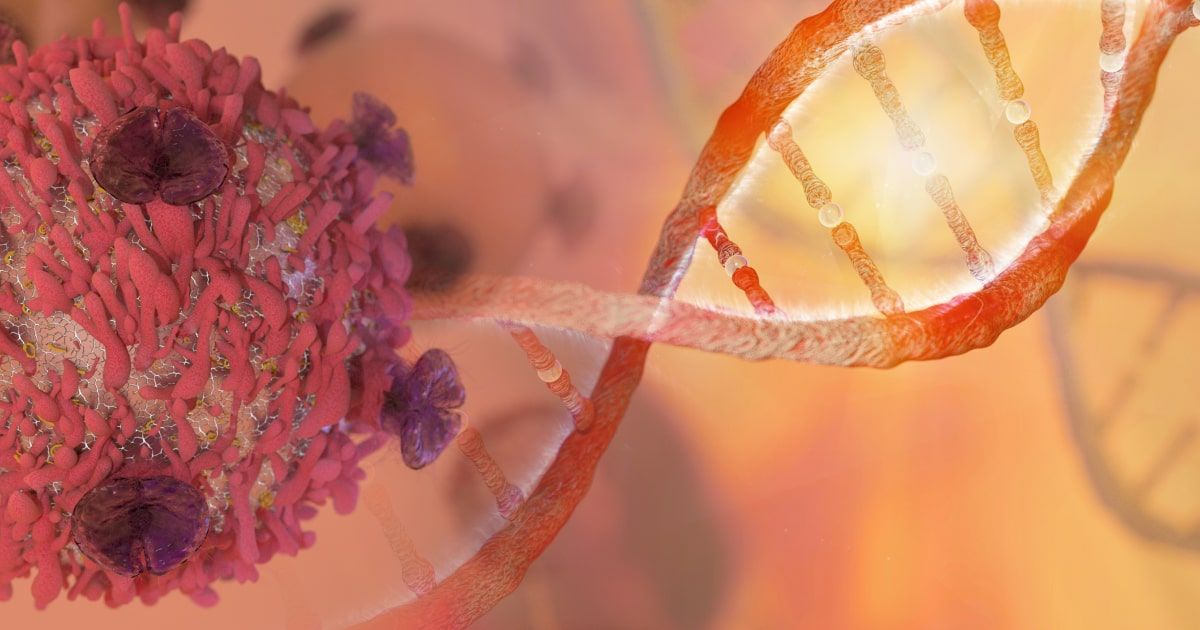
Congenital Nonbullous Ichthyosiform Erythroderma (CNIE) is a rare genetic disorder characterized by widespread redness and scaling of the skin. Its impact is not just skin-deep, as it often affects the quality of life of those who suffer from it. With advancements in genetic testing, there is hope for better diagnosis, management, and understanding of this condition. In this article, we explore how genetic testing can be a game-changer for individuals with CNIE.
Understanding Congenital Nonbullous Ichthyosiform Erythroderma
CNIE is a form of autosomal recessive ichthyosis, a group of skin disorders caused by mutations in specific genes. The condition manifests at birth or shortly thereafter and is characterized by erythroderma (red skin) and fine white scales. The severity can vary, but it often requires lifelong management. The genetic underpinnings of CNIE are complex, involving mutations in several genes, including the NIPAL4 gene, which has been identified as a key player in the disease's pathology.
Genetic Testing: A Window into the Genetic Basis of CNIE
Genetic testing provides a detailed analysis of an individual's DNA, allowing for the identification of mutations associated with specific diseases. In the case of CNIE, genetic testing can pinpoint mutations in the NIPAL4 gene, among others, offering a clearer understanding of the disorder's genetic basis. This is particularly important given the rarity of CNIE, as it allows for more accurate diagnosis and differentiation from other types of ichthyosis.
Early and Accurate Diagnosis
One of the most significant benefits of genetic testing for CNIE is the ability to achieve an early and accurate diagnosis. For families with a history of ichthyosis, genetic testing can be performed prenatally or shortly after birth to determine if the infant has inherited the disorder. Early diagnosis is crucial as it enables healthcare providers to initiate appropriate management strategies, potentially improving the child's quality of life from the outset.
Personalized Treatment Plans
Genetic testing not only aids in diagnosis but also helps tailor treatment plans to the individual's specific genetic makeup. Understanding the exact mutations involved in CNIE can guide dermatologists in selecting the most effective treatments and interventions. This personalized approach can lead to better management of symptoms and a reduction in the frequency and severity of flare-ups.
Family Planning and Genetic Counseling
For families affected by CNIE, genetic testing is an invaluable tool for family planning. Genetic counselors can provide insights into the likelihood of passing the disorder to future generations. This information is vital for couples considering having more children, as it allows them to make informed decisions about their reproductive options. Additionally, genetic counseling can offer emotional support and resources to families navigating the complexities of living with CNIE.
Research and Future Therapies
Genetic testing also plays a critical role in advancing research into CNIE and related disorders. By identifying specific genetic mutations, researchers can develop targeted therapies that address the root causes of the condition. The study referenced here highlights the importance of understanding NIPAL4/Ichthyin expression in the epidermis, paving the way for potential new treatments that could significantly improve patient outcomes.
Conclusion
Genetic testing is a powerful tool in the fight against Congenital Nonbullous Ichthyosiform Erythroderma. It offers the promise of early diagnosis, personalized treatment, informed family planning, and the potential for groundbreaking research. As our understanding of the genetic basis of CNIE continues to grow, so too does the hope for those living with this challenging condition. By harnessing the power of genetic testing, we can move closer to a future where CNIE is not just managed, but potentially overcome.
For further reading on the study of NIPAL4/Ichthyin expression, please refer to the following link.