Whole Genome Shotgun Sequencing
Whole genome shotgun sequencing vs. next-generation whole genome sequencing - do you know which one will give you the best value? Learn about sequencing here.


MD · MBA
Physician specializing in genetic analysis and personalized preventive medicine, and author of Outsmart Your Genes.
Brandon Colby is a physician-expert in the fields of genetic analysis and Personalized Preventive Medicine. He holds an MD from the Mount Sinai School of Medicine, an MBA from Stanford University's Graduate School of Business, and a degree in Genetics from the University of Michigan.
Dr. Colby is the author of the book Outsmart Your Genes and has developed numerous technologies that improve the analysis, interpretation, and actionability of genome sequencing data. He is an Affiliate Specialist of the American College of Medical Genetics and Genomics (ACMG), an Associate of the American College of Preventive Medicine (ACPM), and a member of the National Society of Genetic Counselors (NSGC).
Articles by Brandon Colby, MD are reviewed for accuracy by Sequencing's medical and scientific team. This page is for informational purposes and does not constitute medical advice.
Whole genome shotgun sequencing vs. next-generation whole genome sequencing - do you know which one will give you the best value? Learn about sequencing here.

Want to know what your blood type is? You can find out in just a few minutes for FREE. Learn how to obtain your blood type for free and without any needles.

Learn about the different types of genetic testing that can detect thousands of rare diseases, such as cystic fibrosis and Tay Sachs disease.
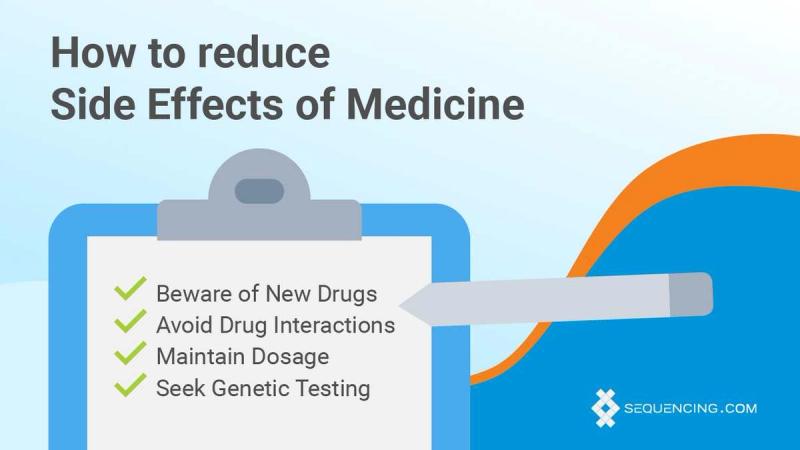
Learn how to prevent medicine side effects. Side effects, also known as adverse drug reactions (ADR), are undesirable reactions to medicine including prescription drugs and…
Did you know that your blood type may tell you how likely it is that you'll become infected with COVID-19 and how sick you'll feel if you do get it? Learn more here.
Coronavirus treatment has evolved over the last year. Learn about the recent advancements in COVID-19 treatment options as well as possible side effects.
You can determine if medication side effects are likely to occur quickly or if they may not start for days or even weeks. When side effects start depends on several factors.
If you don't know what genetic diseases are, you may be at risk for them. Learn about them here and how to know if you're at risk.