Breast Cancer Genetic Testing: Pros and Cons
Breast cancer gene tests can bring anxiety or a rare false positive, but also peace of mind, early mammograms and preventive steps for BRCA1 or BRCA2 carriers.


MD · MBA
Physician specializing in genetic analysis and personalized preventive medicine, and author of Outsmart Your Genes.
Brandon Colby is a physician-expert in the fields of genetic analysis and Personalized Preventive Medicine. He holds an MD from the Mount Sinai School of Medicine, an MBA from Stanford University's Graduate School of Business, and a degree in Genetics from the University of Michigan.
Dr. Colby is the author of the book Outsmart Your Genes and has developed numerous technologies that improve the analysis, interpretation, and actionability of genome sequencing data. He is an Affiliate Specialist of the American College of Medical Genetics and Genomics (ACMG), an Associate of the American College of Preventive Medicine (ACPM), and a member of the National Society of Genetic Counselors (NSGC).
Articles by Brandon Colby, MD are reviewed for accuracy by Sequencing's medical and scientific team. This page is for informational purposes and does not constitute medical advice.
Breast cancer gene tests can bring anxiety or a rare false positive, but also peace of mind, early mammograms and preventive steps for BRCA1 or BRCA2 carriers.
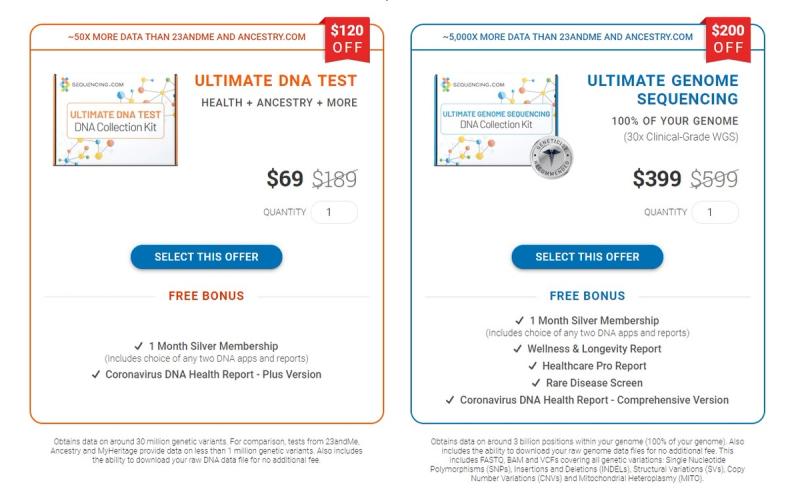
Ordering a breast cancer DNA test online skips the prescription step. The page walks through sample handling, lab processing and the ten genes an app analyzes.
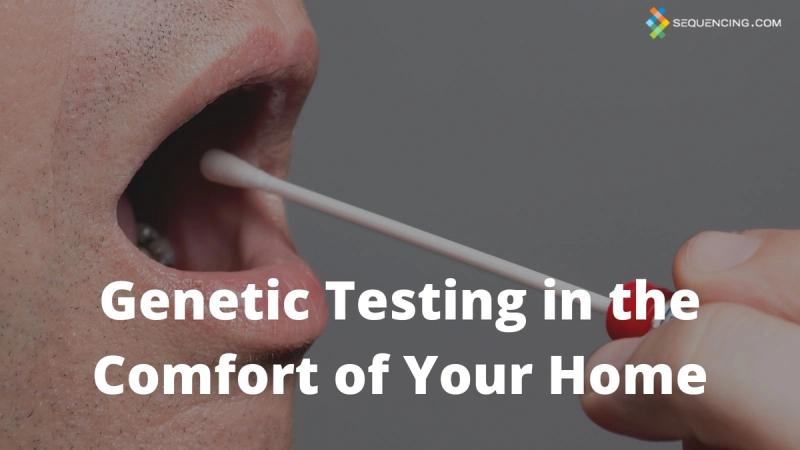
A sample sent to the lab from home can be screened for BRCA1, BRCA2 and eight further breast cancer genes, with results read by the Prevent Breast Cancer app.
Weight-linked genes like FTO signal risk, not certainty. Genetic testing for weight loss can show if a low-carb, low-fat or Mediterranean diet may suit you.
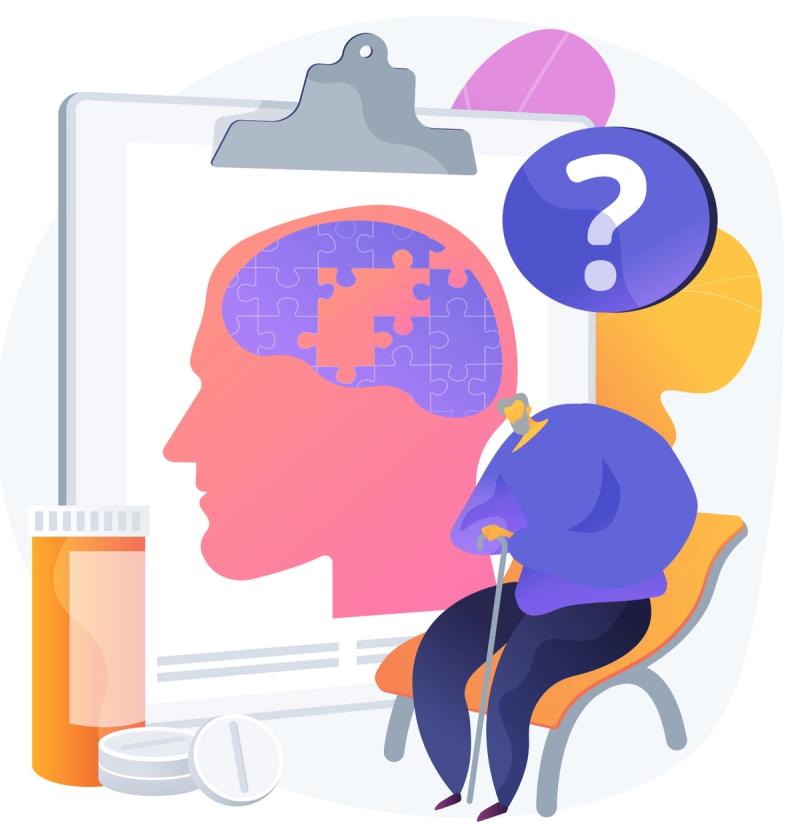
No DNA test can say for certain who will develop Alzheimer's, but testing can show risk variants in APOE and, for early-onset disease, in APP, PSEN1 and PSEN2.
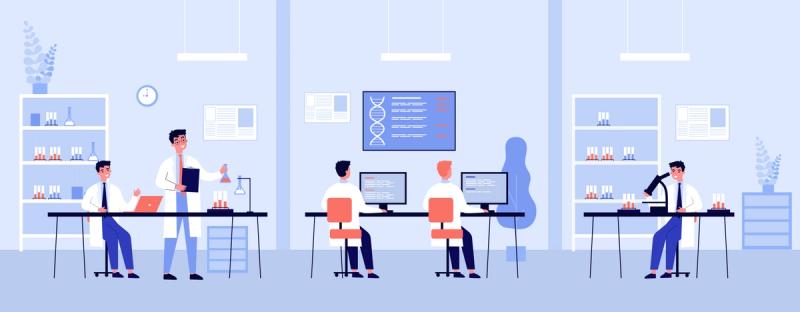
Whole genome sequencing reads 100% of your DNA. See what it can detect, how it differs from 23andMe and AncestryDNA tests, and how to understand your results.
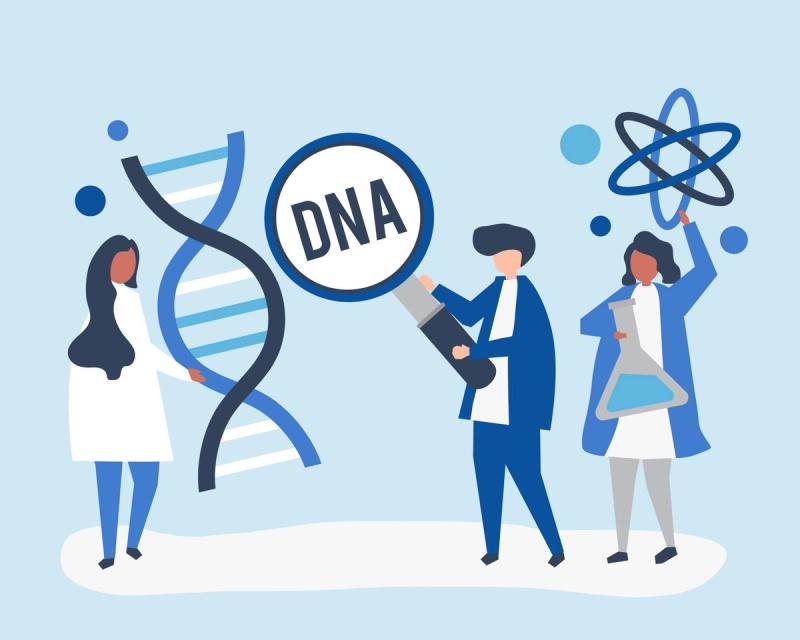
Looking for your birth parents? An adopted child? Adopted sibling? Learn how DNA testing after adoption can help connect you with unknown relatives & family.

It is possible to find an adopted sibling, especially with the steps in this article. Meeting or reuniting with your sibling starts here.