
Why Am I Not Losing Weight
By Sequencing Team, The team of bioinformaticians, Genetic Health Coaches, and writers at Sequencing.
Jan 5, 2021
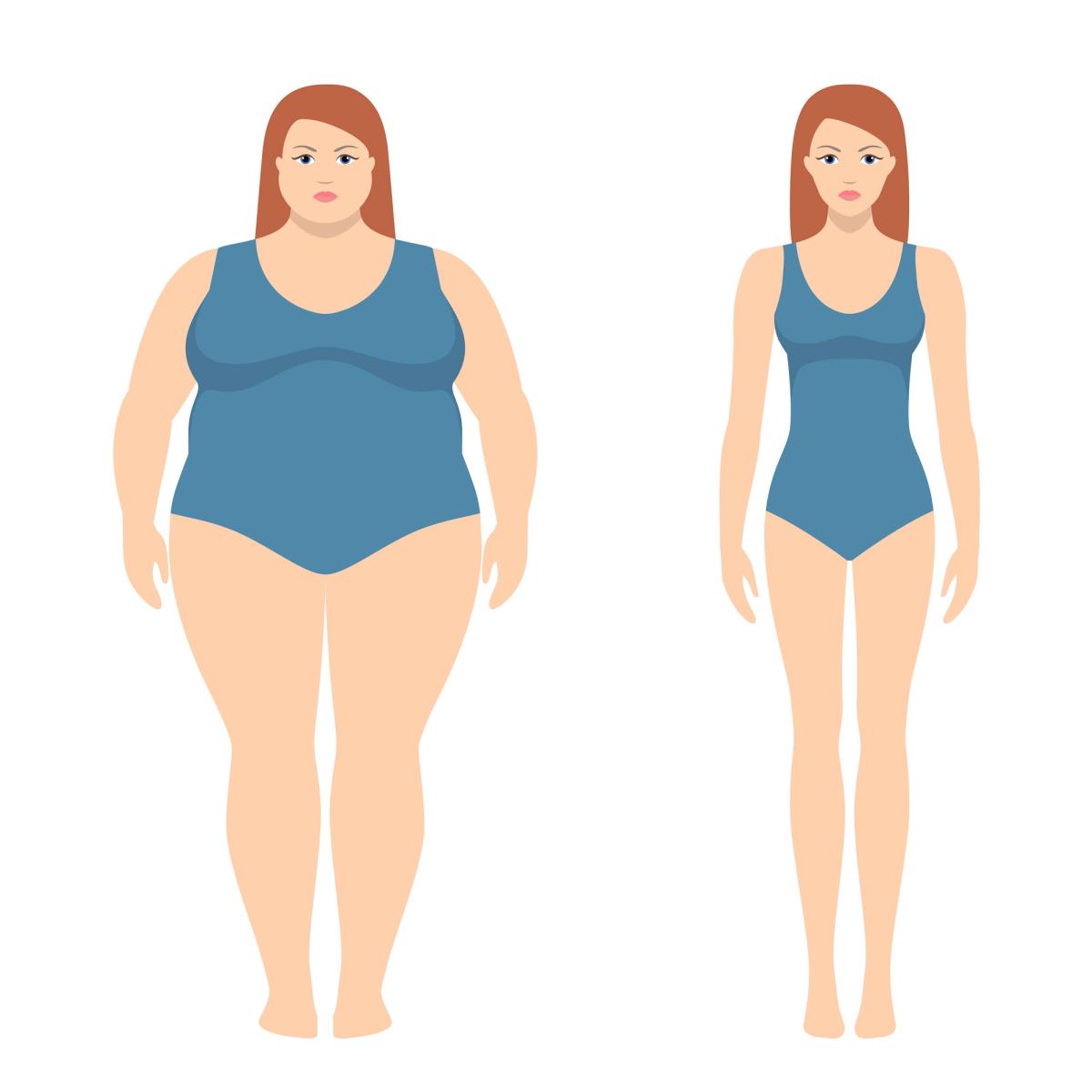
Losing weight is not easy. It is not impossible, though.
There are many factors involved when you are trying to lose weight. It is not only about cutting carbs, eating less fat, or reducing calories.
Every single person is different. The genetic makeup of each individual makes a difference when it comes to weight loss. Genes and DNA provide instructions for the body to function optimally. Since every person has a different combination of genes, dieting is not one size fits all. This is why some people can eat more and never suffer from obesity, while others struggle despite doing everything right.
Cortisol, Stress, and Belly Fat
When people are stressed, they may overproduce a hormone called cortisol. This hormone has been associated with increased accumulation of belly fat. However, cortisol levels do not increase at the same rate for everyone. Some people naturally produce less cortisol than others, and some people do not feel as stressed as others in the same situation. Genetics plays a role in both cortisol production and stress response.
The FTO Gene and Weight Gain
The FTO gene, also known as the fat mass and obesity associated gene, has been linked to obesity. People with certain variants of the FTO gene are more likely to have a higher body mass index and struggle with weight loss. This gene influences how the body regulates appetite and how it stores fat.
Fats and carbohydrates in the body can also retain water, which causes body weight to increase even when fat is not being added.
The Right Foods and Exercise for Your Genes
Dietary changes are a good idea when trying to lose weight, but knowing the right foods for your specific genetic makeup is important. Dietitians often use genetic testing to help people who are not losing weight. It provides insight into what to eat to increase metabolic rate and what type of physical activity is most effective for your body, such as resistance training versus cardio.
Calories, Diets, and Medical Conditions
The number of calories you consume is not the only thing to consider. The amount of calories someone should consume depends on what their body needs to function efficiently. Not eating enough calories could lead to weight gain or a weight loss plateau. A low-fat diet, low-carb keto diet, or avoiding whole grains may not be the best choice if your body does not function well with those extremes, especially when dealing with a medical condition such as thyroid disorder, PCOS, or high blood pressure.
Sleep and Weight Loss
Getting enough sleep is also important when trying to lose weight. Sleep deprivation affects hormones that regulate appetite, including ghrelin and leptin, which can lead to increased hunger and reduced ability to feel full. Your genetics can even influence how much sleep your body needs to function optimally.
Physical Activity and Your Genetic Profile
DNA testing can identify the types of exercise best suited for your body, which can help your entire body function much better. Nutritionists will often recommend drinking enough water, eating whole foods and vegetables, and avoiding snacking and fast food to support weight loss. Mental health matters too. Moderation and consistency can help people lose weight over time, especially when keeping their activity level appropriately high.
Why You Are Not Losing Weight
You may not be eating or moving in the way that your body is genetically designed to thrive. DNA testing can uncover the foods you should eat for your unique genetic makeup and the exercises that help your body function optimally.
Sequencing's whole genome sequencing reads 100% of your DNA across over 30,000 genes. Through the Partner Marketplace, nutrition and wellness apps including Nourish by Toolbox Genomics and DNA Diet by GeneInformed use your genetic data to provide personalized nutrition and weight loss guidance.
Order your whole genome sequencing kit from Sequencing today or upload your existing DNA data for free to start understanding how your genes affect your weight.