

'%3e%3crect opacity='0.2' width='32' height='32' fill='%2312306C'/%3e%3cpath d='M24.2885 25.0767C24.8494 24.964 25.1815 24.3707 24.8951 23.8718C24.2439 22.7376 23.2141 21.7409 21.8952 20.9822C20.2039 20.0094 18.1317 19.4821 16 19.4821C13.8683 19.4821 11.7961 20.0094 10.1049 20.9822C8.78587 21.7409 7.75609 22.7376 7.10495 23.8718C6.8185 24.3707 7.15063 24.964 7.71154 25.0767L8.68725 25.2727C13.5149 26.2424 18.4851 26.2424 23.3128 25.2727L24.2885 25.0767Z' fill='%2312306C'/%3e%3cpath d='M22.2359 12.2225C22.2359 15.659 19.444 18.4449 16 18.4449C12.556 18.4449 9.76407 15.659 9.76407 12.2225C9.76407 8.78589 12.556 6 16 6C19.444 6 22.2359 8.78589 22.2359 12.2225Z' fill='%2312306C'/%3e%3c/g%3e%3cdefs%3e%3cclipPath id='clip0_2531_12631'%3e%3crect width='32' height='32' rx='16' fill='white'/%3e%3c/clipPath%3e%3c/defs%3e%3c/svg%3e)

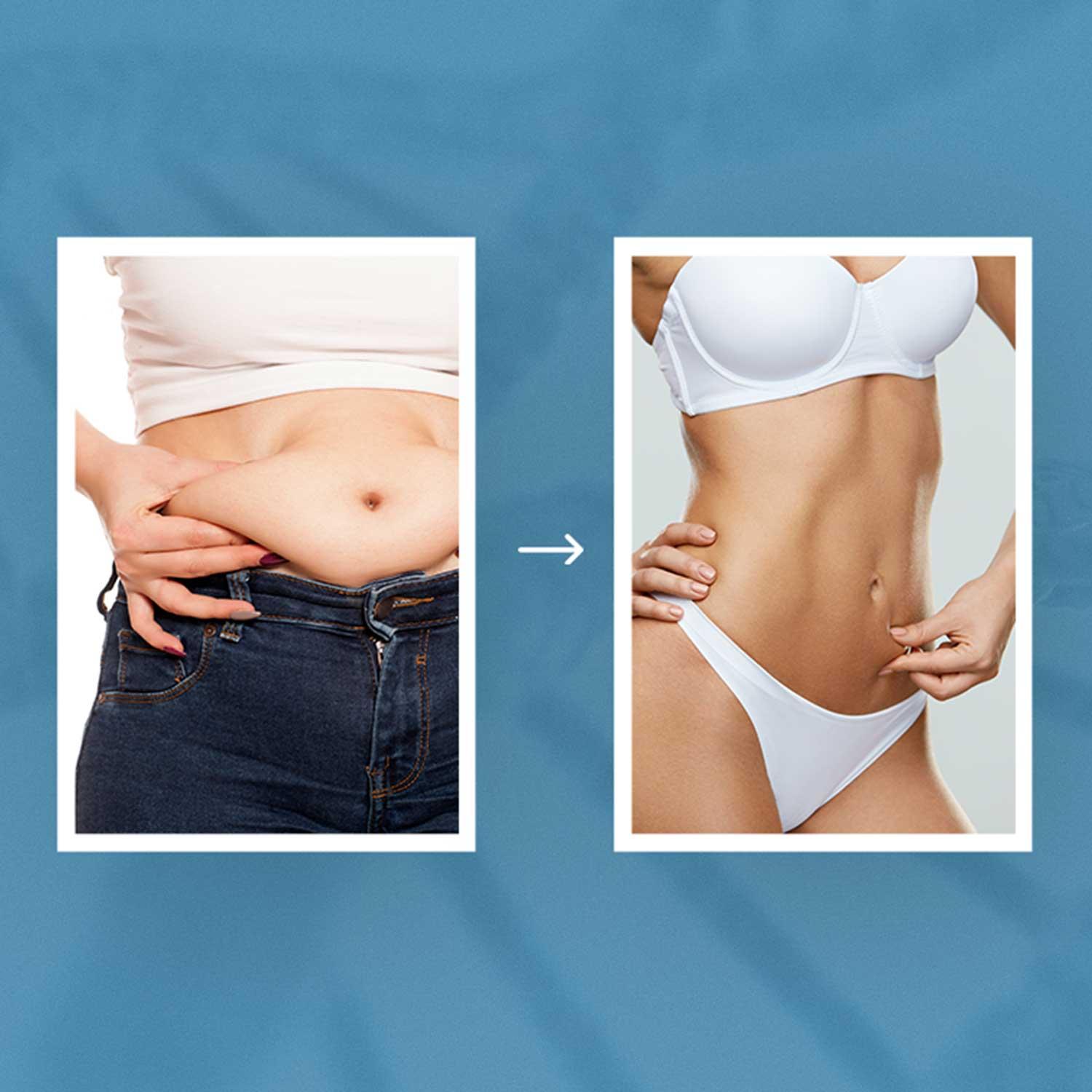
What does DNA have to do with weight loss? A lot. The American Heart Association published study results showing women whose diet matched their genetic profile lost two or three times more weight than those whose diet did not match.
How DNA Helps People Lose Weight
Every single person has a unique genetic makeup, passed down across many generations. Since there are genetic predispositions to weight gain and metabolism, it makes sense that genes are involved in how the body manages weight. Researchers have identified specific genes and studied how they influence weight management.
What We Know About Genes and Weight Management
Genes are responsible for how the body processes everything from medications to foods and drinks. Identifying the genes that manage the body's processing of macronutrients and analyzing how efficiently they function can help people make better decisions about diet and exercise.
Researchers have identified genes that influence weight, body mass, and body fat. These genes affect how efficiently the body metabolizes carbohydrates and fats. For instance, those who do not metabolize carbohydrates efficiently may benefit from a low-carb diet. The same applies to fat. Analyzing how specific genes break down fats helps determine how much dietary fat should be consumed. A low-fat diet may be recommended if the body does not metabolize fat as efficiently as it should.
The body uses food for fuel. When there is excess fuel, the body stores it as fat. By understanding how their body uses carbohydrates and fats at a genetic level, people can make more targeted adjustments to their intake so there is less excess fuel being stored.
The DNA Diet
For people who want to lose weight, stored fat must be used by the body. This happens when the body does not have enough incoming fuel from carbohydrates, fats, and proteins. By reducing these macronutrients strategically based on genetic predisposition, people can decrease their body mass index as the body draws on stored fat for energy.
The DNA diet is simply a meal plan informed by genetic data. Those who are fat-sensitive and do not metabolize fat as efficiently should plan meals that minimize saturated fat and include a moderate amount of monounsaturated fats such as olive oil and avocado.
Criticisms About DNA Tests for Weight Loss
Many critics of the DNA diet note that linking specific genes to weight loss is still an evolving field. While there is still much to learn, that does not mean genetic insight is not a useful tool for understanding weight gain. The more information people have about their bodies, the better equipped they are to make lifestyle changes that produce real results.
Get Your DNA Weight Loss Analysis
If you have already taken a DNA test through 23andMe, AncestryDNA, MyHeritage, or FamilyTreeDNA, you can upload your raw DNA data to Sequencing for free. Through the Partner Marketplace, apps including Nourish by Toolbox Genomics and DNA Diet by GeneInformed will analyze your DNA and generate a personalized weight and nutrition report.
Sequencing's Privacy First commitment ensures your data remains private. We never sell or share your data, including your DNA data, with anyone.
For the most comprehensive analysis, Sequencing's whole genome sequencing reads 100% of your DNA across over 30,000 genes, including all variants relevant to weight, metabolism, and nutritional response. Order your kit today from $399 or upload your existing DNA data for free to get started.