

'%3e%3crect opacity='0.2' width='32' height='32' fill='%2312306C'/%3e%3cpath d='M24.2885 25.0767C24.8494 24.964 25.1815 24.3707 24.8951 23.8718C24.2439 22.7376 23.2141 21.7409 21.8952 20.9822C20.2039 20.0094 18.1317 19.4821 16 19.4821C13.8683 19.4821 11.7961 20.0094 10.1049 20.9822C8.78587 21.7409 7.75609 22.7376 7.10495 23.8718C6.8185 24.3707 7.15063 24.964 7.71154 25.0767L8.68725 25.2727C13.5149 26.2424 18.4851 26.2424 23.3128 25.2727L24.2885 25.0767Z' fill='%2312306C'/%3e%3cpath d='M22.2359 12.2225C22.2359 15.659 19.444 18.4449 16 18.4449C12.556 18.4449 9.76407 15.659 9.76407 12.2225C9.76407 8.78589 12.556 6 16 6C19.444 6 22.2359 8.78589 22.2359 12.2225Z' fill='%2312306C'/%3e%3c/g%3e%3cdefs%3e%3cclipPath id='clip0_2531_12631'%3e%3crect width='32' height='32' rx='16' fill='white'/%3e%3c/clipPath%3e%3c/defs%3e%3c/svg%3e)

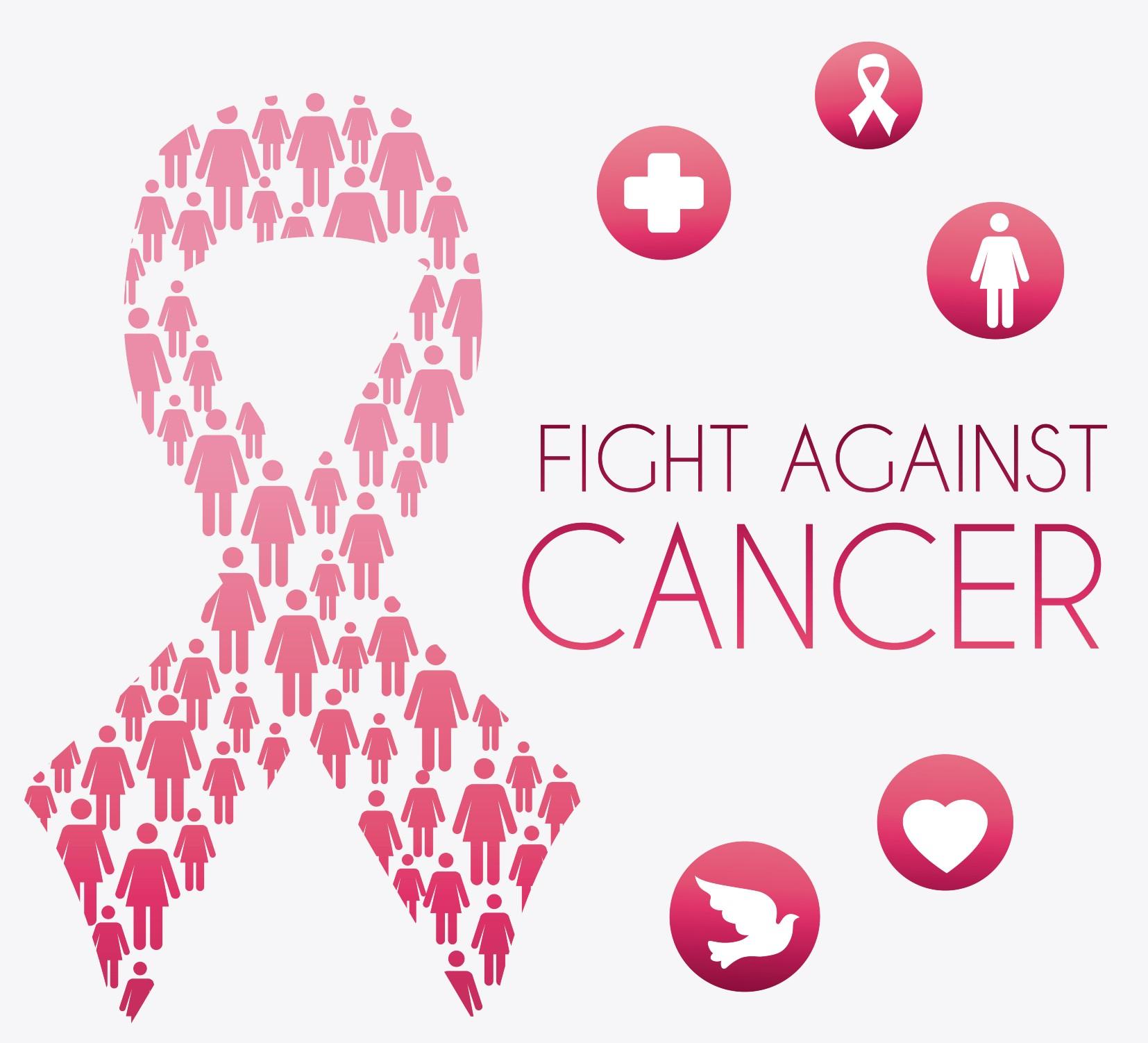
Consider this:
- 1 in 8 women will develop invasive breast cancer in her lifetime.
- According to the American Cancer Society, an estimated 310,720 new cases of invasive breast cancer are expected to be diagnosed in women in the United States annually, along with about 56,500 new cases of non-invasive breast cancer.
- About 42,000 women's lives are expected to end due to breast cancer each year in the United States.
These numbers are significant, but breast cancer prevention is possible. Understanding your risk factors and taking proactive steps can meaningfully reduce your chances of a breast cancer diagnosis.
Breast Cancer Risk Factors
Family History
A woman's risk of breast cancer almost doubles when a close relative such as a mother, sister, or daughter has been diagnosed with it. Those with more than one first-degree relative with breast cancer have an even higher risk.
Genetic Factors
Genetic mutations, particularly in the BRCA1 and BRCA2 genes, can significantly increase breast cancer risk. Women who carry these mutations have a lifetime breast cancer risk that is substantially higher than the general population.
Alcohol Consumption
Women who drink more than one glass of alcohol a day increase their risk of breast cancer.
Obesity
Being overweight increases the risk of breast cancer, particularly after menopause.
Ways to Prevent Breast Cancer
1. Maintain a Healthy Weight
Since obesity can increase the risk of breast cancer, maintaining a healthy weight can help keep breast cancer from developing. This can be achieved with a healthy diet, regular exercise, and other lifestyle changes.
2. Avoid or Carefully Evaluate Hormone Replacement Therapy
Review the benefits and risks of hormone replacement therapy with your healthcare provider before deciding what is best for you. There may be alternative forms of treatment that will not increase your risk of breast cancer.
3. Limit Alcohol
Decreasing the amount of alcohol consumed each day or week can significantly decrease the chances of developing breast cancer.
4. Evaluate Hormonal Birth Control
Consider discussing with your healthcare provider whether hormonal birth control increases your breast cancer risk and whether alternative options may be appropriate for your situation.
5. Exercise Regularly
Regular physical activity has been shown to reduce breast cancer risk. Aim for at least 150 minutes of moderate activity or 75 minutes of vigorous activity per week.
6. Eat a Healthy Diet
A diet rich in fruits, vegetables, whole grains, and lean proteins supports overall health and may help reduce breast cancer risk. Limiting processed foods and red meats is also recommended.
7. Get Regular Screenings
Mammograms do not prevent breast cancer, but they identify it early. When performed annually, mammograms are a good way to detect breast cancer as early as possible. Early detection significantly improves outcomes.
Genetic Testing for Breast Cancer Risk
Everyone, even without a family history, can benefit from understanding their genetic risk for breast cancer. Genetic testing can identify BRCA1, BRCA2, and other gene variants associated with elevated breast cancer risk, allowing you and your doctor to take proactive preventive measures.
Sequencing's whole genome sequencing reads 100% of your DNA across over 30,000 genes, including the BRCA genes and other breast cancer risk markers. Through the Partner Marketplace, you can also access specialized breast cancer risk analysis reports based on your genetic data.
Order your whole genome sequencing kit today or upload your existing DNA data for free to understand your genetic risk for breast cancer and take control of your health.