

'%3e%3crect opacity='0.2' width='32' height='32' fill='%2312306C'/%3e%3cpath d='M24.2885 25.0767C24.8494 24.964 25.1815 24.3707 24.8951 23.8718C24.2439 22.7376 23.2141 21.7409 21.8952 20.9822C20.2039 20.0094 18.1317 19.4821 16 19.4821C13.8683 19.4821 11.7961 20.0094 10.1049 20.9822C8.78587 21.7409 7.75609 22.7376 7.10495 23.8718C6.8185 24.3707 7.15063 24.964 7.71154 25.0767L8.68725 25.2727C13.5149 26.2424 18.4851 26.2424 23.3128 25.2727L24.2885 25.0767Z' fill='%2312306C'/%3e%3cpath d='M22.2359 12.2225C22.2359 15.659 19.444 18.4449 16 18.4449C12.556 18.4449 9.76407 15.659 9.76407 12.2225C9.76407 8.78589 12.556 6 16 6C19.444 6 22.2359 8.78589 22.2359 12.2225Z' fill='%2312306C'/%3e%3c/g%3e%3cdefs%3e%3cclipPath id='clip0_2531_12631'%3e%3crect width='32' height='32' rx='16' fill='white'/%3e%3c/clipPath%3e%3c/defs%3e%3c/svg%3e)

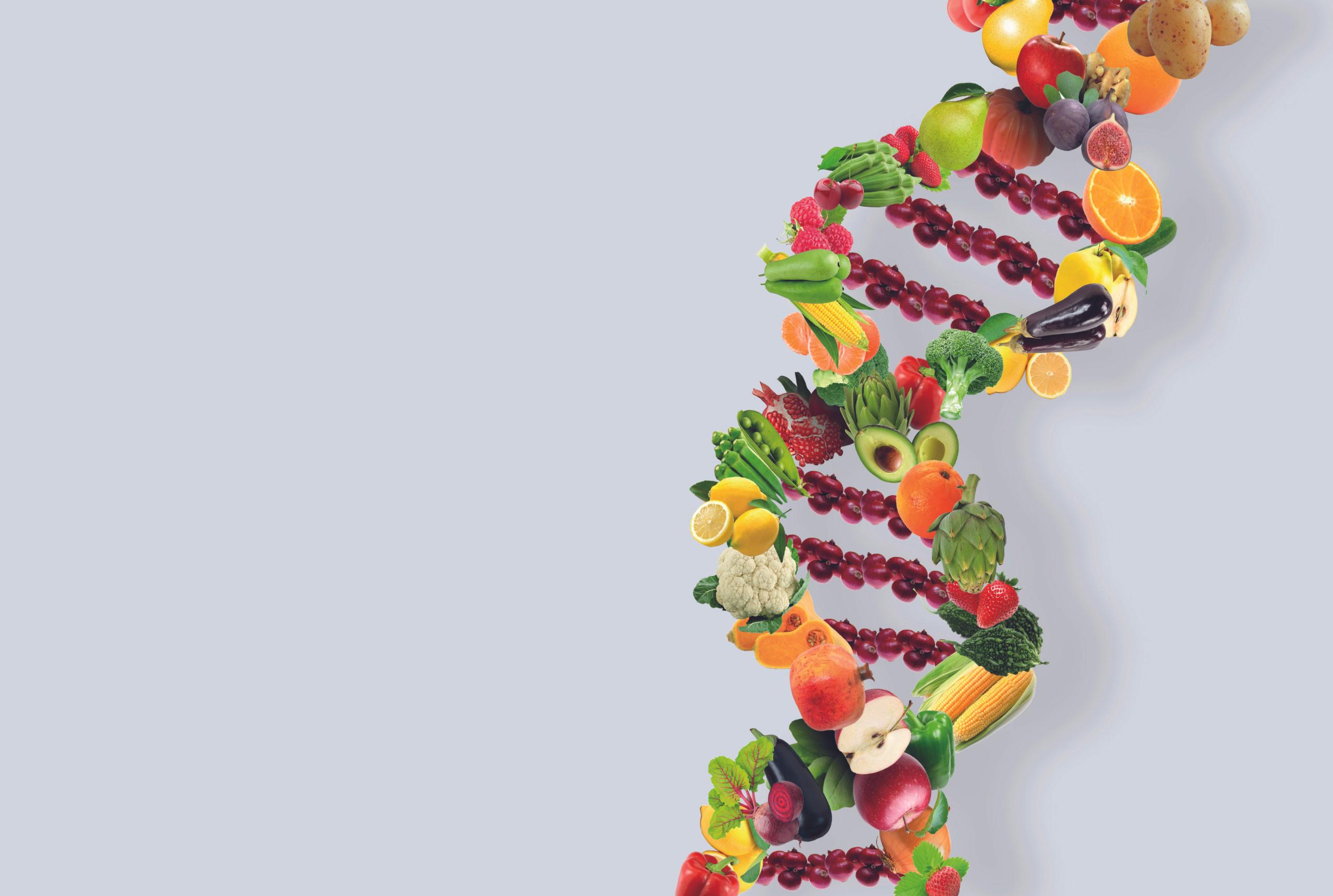
DNA testing has become very popular, even marketed to help you determine a variety of aspects of your health and genetics. This has led to a spinoff of DNA-based nutrition testing, suggesting that your genetics can tell you what to eat and what to avoid, especially when it comes to weight loss.
DNA diets are still relatively new to the nutrition science scene, and understanding their potential pros and cons is helpful if you're considering following one.
What Is a DNA Diet?
One way to understand what your body needs is through a DNA test. By looking at your nutritional needs, metabolic health factors, and matching diet, a DNA test can reveal your genetic diet type. That includes things like which vitamins you need to optimize, how your diet affects your cholesterol, whether you're sensitive to lactose, and more.
Testing your DNA can also help determine whether you have specific genetic variants that make you more susceptible to obesity, problems with alcohol intake, or food allergies. With this information, you can get a better picture of which diet would be most appropriate for your health.
When you first start working with a nutritionist or company to create your diet profile, you usually get a diet recommended for a general population. But when you are recommended a DNA diet, it is based on what would be optimal for your body and your DNA composition. That way, you can have a more personal diet, including meal plans, recipes, and grocery lists to get you the results you are looking for.
Why Follow a DNA Diet?
A 2016 study in The American Journal of Clinical Nutrition found that people who received personalized nutrition advice were more likely to adhere to a specific diet (in this case, the Mediterranean diet). A related paper in the International Journal of Epidemiology found that providing personalized nutrition information based on diet, lifestyle, and genotype produced larger and more appropriate changes in dietary behavior than a conventional approach.
If you're in good health and free from complications like obesity or heart disease, a DNA diet can still provide valuable insights into how your body processes different foods. Your genetics influence everything from how you metabolize caffeine to how your body responds to carbohydrates.
DNA Diets and Cholesterol
Your DNA test may reveal a higher than average genetic likelihood for elevated LDL (bad) cholesterol levels, decreased HDL (good) cholesterol levels, or elevated triglyceride levels.
If you're at risk for any of these, a DNA test may suggest a low fat diet. A low fat diet doesn't eliminate all fats, just the unhealthy ones. Trans fats and saturated fats are unhealthy fats which can increase harmful LDL cholesterol and increase your chances of Type 2 diabetes and heart disease. Polyunsaturated and monounsaturated fats and omega-3 and omega-6 fatty acids can do the opposite, decreasing harmful cholesterol levels, building cell membranes and nerve coverings, and helping prevent heart disease.
Rather than eliminate fats entirely from your diet, focus on increasing your intake of healthy essential fats, such as eating more nuts, fish, and avocados, while avoiding fried and greasy foods cooked with trans or saturated fats.
Depending on your cholesterol levels and other health factors, your DNA may suggest following the Mediterranean diet. A Mediterranean diet is essentially a high fat and low carb diet. It may help improve healthy cholesterol levels and keep blood sugar levels in a healthy range. Similar to a balanced diet, the Mediterranean diet can be beneficial to follow even if you're healthy and not at risk for certain health conditions.
DNA Diets and Gluten Sensitivity
A DNA test can reveal if you have an increased genetic likelihood for gluten sensitivity. Because it presents a wide range of potential symptoms, gluten sensitivity can be difficult for physicians to diagnose. Your DNA can reveal if you're genetically predisposed to one form of gluten sensitivity, celiac disease.
Is a DNA Diet Right for You?
If science and genetics have taught us anything, it's that there is no such thing as a one-size-fits-all diet recommendation. Everyone's body has unique needs. By focusing on what our body tells us versus what the latest health article says, we can work towards better health.
DNA diets are a fairly new concept and one that may become more mainstream, but some experts believe the science behind it isn't totally there just yet. It is beneficial to know certain biomarkers for your health and ultimately to eliminate refined sugars and junk food from your diet. A DNA test will provide more answers than trial and error. In the end, if it allows you to change your habits and live a healthier lifestyle, then taking a DNA test is a good choice.
Through DNA testing, you can get to know your genes better and understand how they factor into your diet. With these insights, you can make more informed decisions to help you enjoy better health.
Start Your DNA Diet Journey With Sequencing
Sequencing's whole genome sequencing reads 100% of your DNA across over 30,000 genes, giving you the most complete nutritional and health picture available. Through the Partner Marketplace, you can access nutrition-focused apps built directly on your genetic data, including Nourish by Toolbox Genomics, DNA Diet by GeneInformed, and Healthy Nutrition by GeneInformed.
Order your whole genome sequencing kit today or upload your existing DNA data for free to discover your genetic diet type.