
Jack the Ripper DNA Evidence: Was Aaron Kosminski the Killer?
By Sequencing Team, The team of bioinformaticians, Genetic Health Coaches, and writers at Sequencing.
Mar 18, 2019
Recent updates (October 2026): Corrected the article to reflect the scientific debate over the shawl evidence, refreshed the headings, and added a FAQ section.
Who Was Jack the Ripper? What the DNA Evidence Suggests
A 2019 study reported that DNA from a shawl linked to the murder of Catherine Eddowes matched descendants of Aaron Kosminski, a Polish barber who was a police suspect in 1888. Kosminski was 23 at the time of the killings. The finding made headlines around the world, but it is widely disputed, and the identity of Jack the Ripper has never been conclusively established.
What the 2019 Shawl DNA Study Found
The 2019 analysis was performed by Dr. Jari Louhelainen and Dr. David Miller, scientists at the University of Leeds in the United Kingdom, and was published in the Journal of Forensic Sciences in March 2019.
The scientists sequenced mitochondrial DNA from stains they described as blood and semen on a shawl said to have been found at the scene of the murder of the Ripper's fourth victim. They compared the genetic sequence to DNA samples taken from living descendants of Catherine Eddowes (the victim) and Aaron Kosminski (a suspect).
The authors reported that the mitochondrial DNA matched the family lines of both Eddowes and Kosminski.
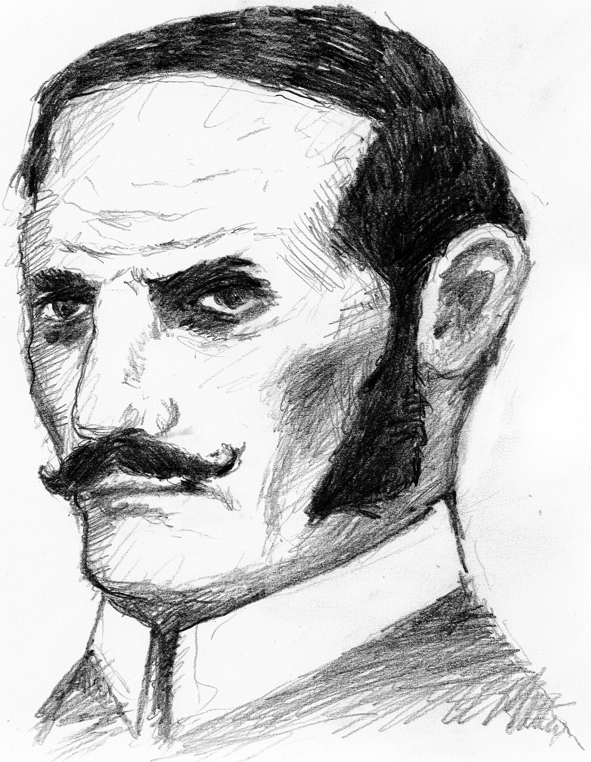
Below is a sketch of Aaron Kosminski, who has long been a suspect in the Jack the Ripper case.
Why Scientists Dispute the Jack the Ripper DNA Evidence
Many forensic scientists and criminologists have criticized the study. Their main objections are:
- Provenance: The shawl's origin is contested. It is not mentioned in investigation reports from the era, and the researchers did not establish that it was at the crime scene or belonged to Eddowes.
- Contamination: After more than a century of handling by many people, modern DNA contamination cannot be ruled out.
- Mitochondrial DNA is not unique: It is passed down the maternal line and shared by many people, so a match cannot identify one individual.
- Limited data: The paper presented results as graphics rather than the underlying DNA sequences, which drew sharp criticism from forensic experts.
- Unproven stains: Critics noted that the researchers did not scientifically establish that the stains were blood and semen.
Renewed Coverage of the Jack the Ripper DNA Evidence (Updated October 2026)
Public interest in the case resurfaced in October 2024, and again in 2025, with new media coverage of the shawl analysis. These reports revisit the 2019 findings, and the core concerns about the shawl's provenance, possible contamination, and the limits of mitochondrial DNA remain. Critics question whether the evidence is strong enough to conclusively solve the case.
As a result, the identity of Jack the Ripper is still unresolved. Kosminski remains one of the leading suspects, but the scientific community has not reached a consensus that the DNA evidence is conclusive.
Frequently Asked Questions About Jack the Ripper DNA
Has DNA proven who Jack the Ripper was?
No. A 2019 study linked mitochondrial DNA from a shawl to descendants of Aaron Kosminski, but the result is disputed and does not establish his identity. Jack the Ripper has never been conclusively identified.
Who is the main suspect in the Jack the Ripper case?
Aaron Kosminski, a Polish barber, was a suspect at the time of the crimes in 1888 and has remained a leading suspect. Other suspects have also been proposed over the years, and there was not enough evidence at the time to support an arrest.
Where did the DNA in the Jack the Ripper study come from?
The samples came from stains on a silk shawl said to have been found near the body of Catherine Eddowes, the Ripper's fourth victim, in 1888. The shawl's provenance has been questioned, and critics say contamination over more than a century cannot be ruled out.
Why can't mitochondrial DNA identify one person?
Mitochondrial DNA is passed from mother to child, so everyone in the same maternal line can share the same sequence. It can help exclude a suspect, but it cannot single out one individual the way nuclear DNA can.
Learn More About the Jack the Ripper DNA Study
A great summary of the forensic DNA sequencing study was published in the journal Science.
There are other discoveries involving famous historical figures and their DNA. For example, see our article on whether Jesus Christ's DNA has been found on crucifixion nails.
Curious about your own DNA? Sequencing's whole genome sequencing reads 100% of your DNA, including over 30,000 genes. Learn more about whole genome sequencing.