
5 Things You Need to Know About DNA Nutrition
By Sequencing Team, The team of bioinformaticians, Genetic Health Coaches, and writers at Sequencing.
Dec 10, 2021
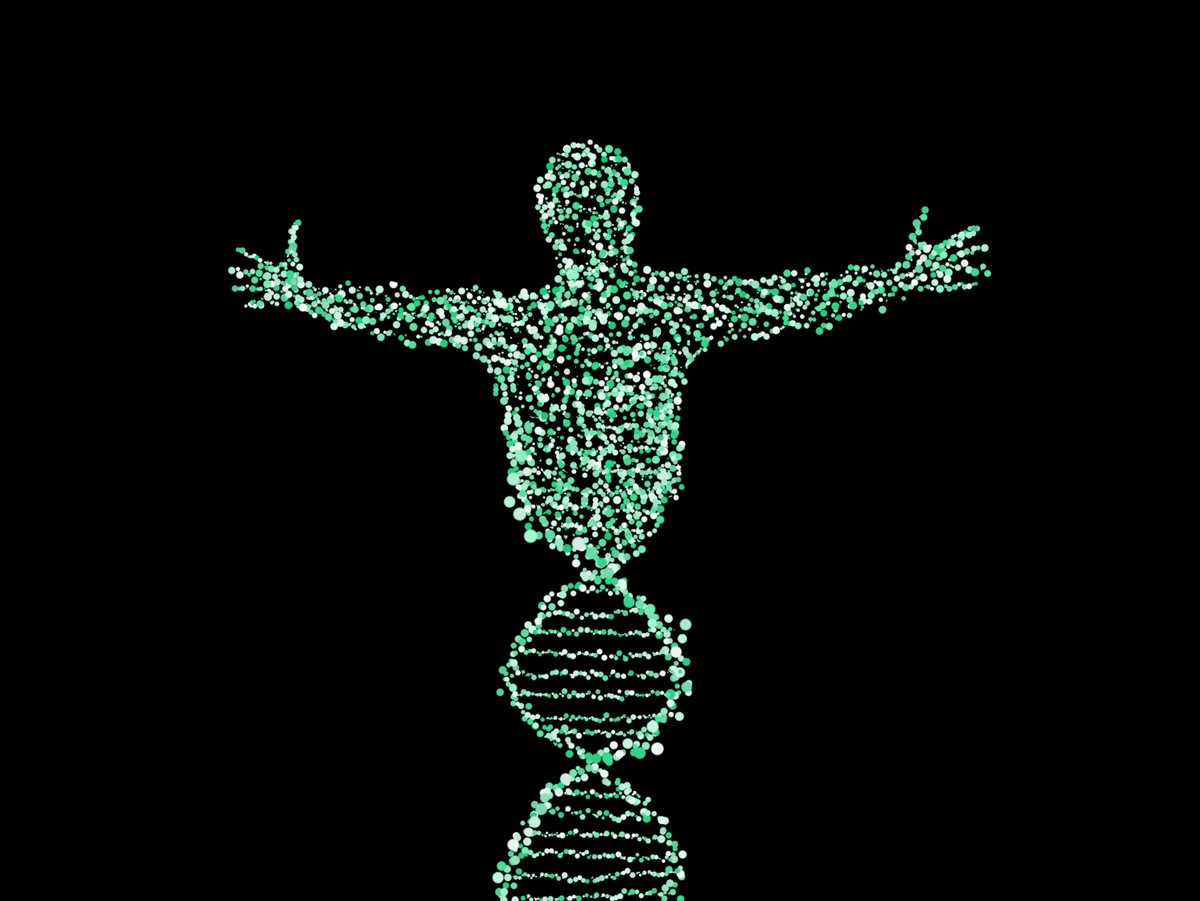
Does DNA nutrition play a role in how you eat, how you feel, and how you gain or lose weight? DNA tests can play a meaningful role in uncovering what your body needs based on your unique genetic makeup.
Genetic sequencing has helped provide insight into hereditary diseases such as Huntington's disease and has shed light on variants that pose a high risk for developing breast cancer. The same technology is now being applied to nutrition and metabolic health.
If you want to learn more about DNA nutrition and how it relates to your own diet, keep reading.
What Is DNA Sequencing?
DNA sequencing is the process of determining the precise order of nucleotides within a DNA molecule. Scientists use techniques that read your DNA sequence and identify variations across your genome. These variations can predispose someone to an illness, a disease, or a tendency toward certain physical characteristics.
The human genome contains over 30,000 genes, and whole genome sequencing reads all of them. Variations in your DNA, including in exons (the protein-coding regions of your genes), can reveal meaningful information about how your body works, including how it processes different foods and nutrients.
1. Personalized Nutrition Starts With Your Genes
Your DNA influences how your body absorbs and processes nutrients. Genetic variants affect everything from how you metabolize caffeine to how your body responds to dietary fat. This is why two people can follow the same diet and get very different results.
DNA nutrition analysis can identify these variants and help you understand which foods and dietary approaches are most compatible with your biology. Rather than following generic nutritional guidelines, you can make choices grounded in your own genetic profile.
2. DNA and Metabolic Health
Metabolism is not a fixed trait. Genetic variants influence how efficiently your body converts food into energy, how it stores fat, and how it regulates blood sugar. Some people have variants that make them more prone to insulin resistance, while others have variants that affect how they process dietary fat or alcohol.
Understanding your metabolic genetic profile can help you make more targeted lifestyle adjustments, from the types of foods you prioritize to the timing and composition of your meals.
3. Helps Athletic Performance
Genes associated with serum iron levels have an indirect relation to athletic performance. Iron plays a role in oxygen transport and energy production, meaning genetic variations in iron metabolism can meaningfully affect how an athlete performs and recovers.
Understanding these variants allows athletes to tailor supplementation and dietary choices to their actual genetic needs rather than relying on general guidelines.
4. Identifying Risk Markers for Disease
DNA nutrition analysis involves multiple different markers. Researchers have identified genetic markers that increase risk for obesity and higher fat mass.
Some markers help pinpoint risks for cardiovascular disease. Two common ones include lipoprotein lipase (LPL) markers and low-density lipoprotein receptors (LDLR), which affect how someone breaks down cholesterol and fats.
Genetic variations in vitamin levels can also predispose someone to deficiencies. For example, variants affecting vitamin D metabolism can mean a person needs more sun exposure or supplementation than average to maintain healthy levels. Identifying these markers early gives you a meaningful head start on prevention.
5. No More Trendy Diets
Your DNA nutrition profile can show you how to live healthier by implementing a diet tailored to your body. That could mean monitoring macronutrients or micronutrients more closely, working with a dietitian to create personalized meal plans, or adjusting how your body processes starches and fats. It does not solve all health problems, but it can shed light on how your body responds to vitamins, supplements, starches, and fats.
Fad diets do not serve anyone and are a recipe for failure. Understanding your genetic profile helps you choose foods and a nutrition plan that are actually suited to you, including how your body metabolizes lactose, sugars, and lipids.
Start Understanding Your DNA Nutrition Today
Whole genome sequencing from Sequencing reads 100% of your DNA and provides the most comprehensive genetic picture available. Through the Partner Marketplace, you can access nutrition-focused apps and reports built on your actual genetic data.
If you already have raw DNA data from another test, you can upload it for free and explore nutrition insights right away. To get started with whole genome sequencing, visit the whole genome sequencing page to learn more.