

'%3e%3crect opacity='0.2' width='32' height='32' fill='%2312306C'/%3e%3cpath d='M24.2885 25.0767C24.8494 24.964 25.1815 24.3707 24.8951 23.8718C24.2439 22.7376 23.2141 21.7409 21.8952 20.9822C20.2039 20.0094 18.1317 19.4821 16 19.4821C13.8683 19.4821 11.7961 20.0094 10.1049 20.9822C8.78587 21.7409 7.75609 22.7376 7.10495 23.8718C6.8185 24.3707 7.15063 24.964 7.71154 25.0767L8.68725 25.2727C13.5149 26.2424 18.4851 26.2424 23.3128 25.2727L24.2885 25.0767Z' fill='%2312306C'/%3e%3cpath d='M22.2359 12.2225C22.2359 15.659 19.444 18.4449 16 18.4449C12.556 18.4449 9.76407 15.659 9.76407 12.2225C9.76407 8.78589 12.556 6 16 6C19.444 6 22.2359 8.78589 22.2359 12.2225Z' fill='%2312306C'/%3e%3c/g%3e%3cdefs%3e%3cclipPath id='clip0_2531_12631'%3e%3crect width='32' height='32' rx='16' fill='white'/%3e%3c/clipPath%3e%3c/defs%3e%3c/svg%3e)

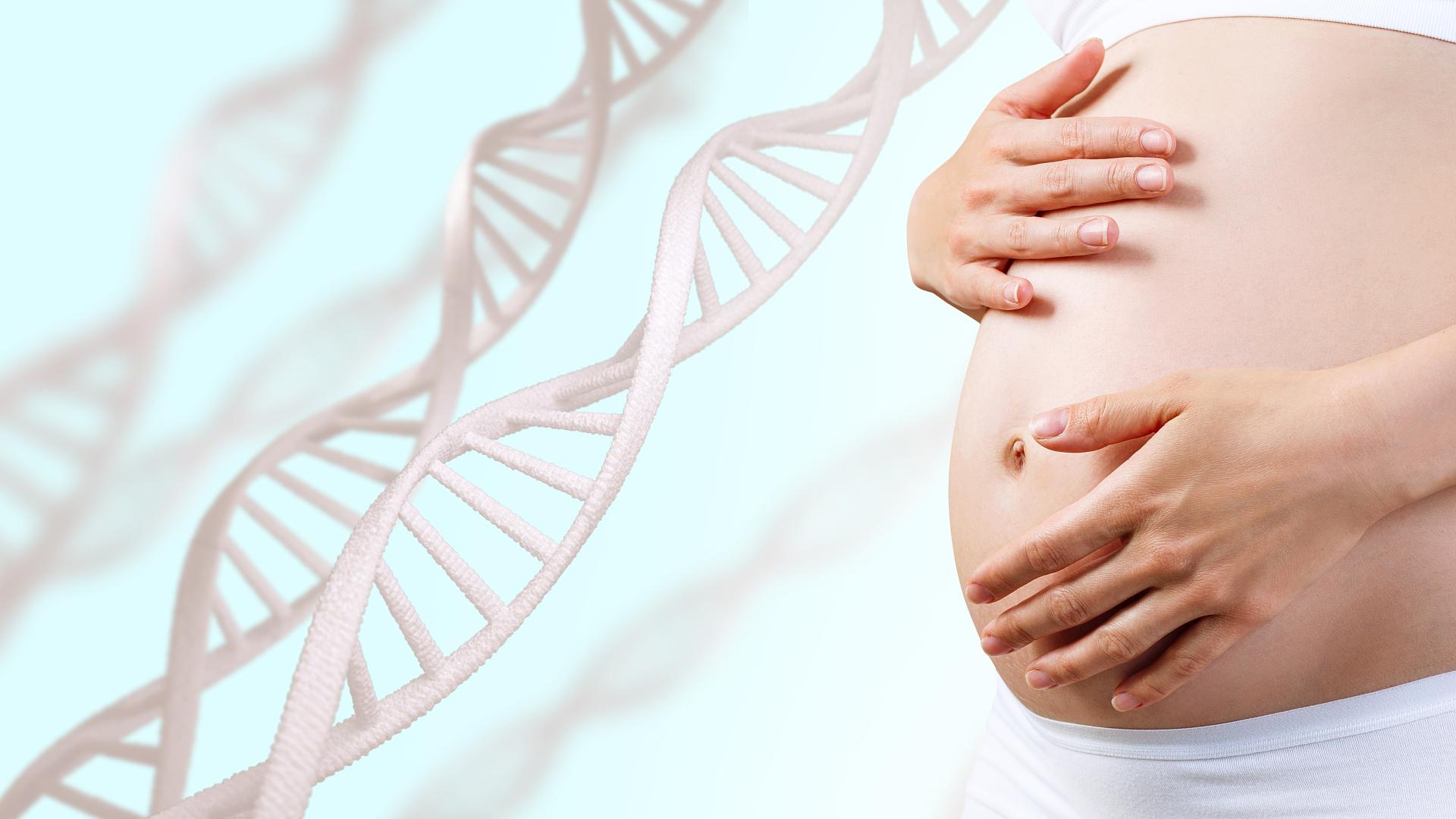
When you first see that positive pregnancy test, many emotions run through your head: joy, excitement, nerves, and fear. Any new parent wants to do everything they can to prepare for parenthood and all things baby. For some that may mean reading parenting books, taking classes, and getting tests done to make sure everything is in check.
The barrage of appointments and information can be overwhelming. You probably don't know where to start, but early decisions come quickly and that includes the cell-free DNA test or prenatal genetic testing.
Cell-free DNA tests, or prenatal cell-free DNA screening, is an optional test which can help detect the risk of abnormalities and supply important information before your baby's birth. This test must be done in the first trimester, as early as 10 weeks.
The cell-free DNA test requires a blood draw from the mother. DNA fragments from the placenta that are in a pregnant mother's blood can be used to try to identify pregnancies at higher risk for chromosomal abnormalities.
1. What Does a Cell-Free DNA Test Screen For?
Cell-free DNA testing can screen for a number of chromosomal conditions, including trisomy 21 (Down syndrome), trisomy 18 (Edwards syndrome), trisomy 13 (Patau syndrome), and sex chromosome abnormalities. It can also be used to screen for certain microdeletion syndromes in some cases.
Although the results can help families make informed decisions, the tests are not perfect. Blood-based screening tests cannot say with certainty that a baby is affected. A positive result typically requires confirmation through a more invasive diagnostic test such as amniocentesis or chorionic villus sampling.
2. What Are the Risks?
The number one worry about any type of prenatal test is risk. You will be happy to know that cell-free DNA tests have no known risks to you or your baby. The biggest consideration is that a result may cause anxiety, but in the long run it can help avoid more invasive tests and monitoring throughout your pregnancy.
Just remember that cell-free DNA testing does not screen for everything, and a negative result does not guarantee that you will have an unaffected pregnancy. It is always best to discuss results with your healthcare provider and a genetic counselor.
3. Who Should Consider It?
Cell-free DNA testing is recommended for pregnancies at higher risk for chromosomal abnormalities. This includes women who are 35 or older, those who have had a previous pregnancy with a chromosomal condition, and those with abnormal results from first-trimester screening.
That said, cell-free DNA testing is available to any pregnant person who wants additional information about their pregnancy. Your healthcare provider and a genetic counselor can help you decide whether it is right for you and help you feel as ready as possible before and after the test.
4. What Can You Expect During the Test?
You can get the test done as early as 10 weeks into your pregnancy.
During the screening, a maternal blood sample is taken and sent to the lab. The lab will analyze the maternal and fetal DNA in your blood sample. The procedure does not take long and is generally painless. If you get queasy from needles or blood draws, discuss this with your healthcare provider and ask for suggestions to help manage any anxieties.
Once the lab has your sample, they will analyze the maternal and fetal DNA. If they see a higher than expected ratio of chromosome 21 sequences, for example, this indicates an increased risk of trisomy 21 in the fetus. Trisomy 21 is the most common cause of Down syndrome.
Typically you will wait 7 to 10 days to receive your test results.
5. How Are Results Reported?
The majority of people who choose to have prenatal genetic testing do so for one simple reason: knowledge.
The reporting of your results varies depending on the lab. Results might be reported as positive or negative, as high risk or low risk of an abnormality, or as a probability score. No matter how results are reported, your healthcare provider and genetic counselor will walk you through what they mean and what your next steps should be.
Cell-free DNA testing is perfectly safe and can better help prepare you for parenthood no matter what it will look like.
Want a More Complete Picture of Your Genetics?
If you feel that prenatal cell-free DNA screening is not enough, there are more comprehensive DNA tests that can give you detailed insights into your health and your family's genetic picture. Sequencing offers whole genome sequencing that reads 100% of your DNA across over 30,000 genes, covering general health, newborn health considerations, blood disorders, preventable diseases, heart health, and much more.
Learn more about whole genome sequencing from Sequencing or upload your existing DNA data for free to get started.