Impaired auditory nerve signalling causes hearing loss, speech difficulty and balance problems. Two copies of the mutated gene cause AUNA1, so carrier testing matters.
Fever, skin rashes, chest pain and breathing difficulty follow inflamed blood vessels in the lungs and skin. Sequencing TNFAIP3 can confirm the underlying mutation.
SCN1A, SCN2A, SCN8A and KCNQ2 mutations disturb the brain's electrical activity. When EEG findings are inconclusive, gene results can confirm the diagnosis.
Limb weakness, atrophy and sensory loss begin in childhood or early adulthood in AR-HMSN. Nerve conduction studies and EMG support it; DNA testing settles it.
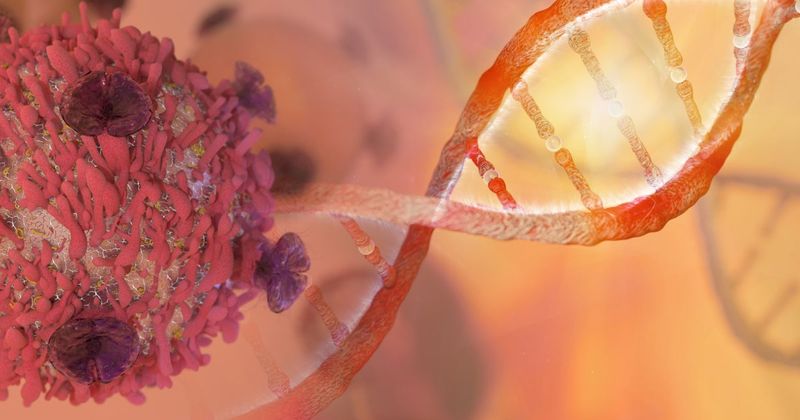
Fatigue, fever, night sweats and swollen lymph nodes prompt blood tests and a bone marrow biopsy, while DNA analysis of cancer cells guides treatment choices.
Multiple basal cell carcinomas, palmar pits, bifid ribs and jaw cysts suggest BCNS2, which mutation, deletion/duplication and linkage analysis of PTCH1 assess.
A shortage of butyrylcholinesterase leaves the body slow to break down some drugs, and two altered BCHE copies can mean prolonged paralysis after certain medications.
Curved limb bones mark BBDS2, a rare autosomal dominant disorder caused by FGFR2 mutations. Imaging shows the bones, and genetic testing confirms the diagnosis.