
Understanding, Diagnosing, and Using Genetic Testing for Thyroid Hormone Resistance Syndrome
Thyroid hormone resistance syndrome (THRS) is a rare genetic disorder where tissues respond poorly to thyroid hormone. Learn how it is diagnosed and tested.


MD · MBA
Physician specializing in genetic analysis and personalized preventive medicine, and author of Outsmart Your Genes.
Brandon Colby is a physician-expert in the fields of genetic analysis and Personalized Preventive Medicine. He holds an MD from the Mount Sinai School of Medicine, an MBA from Stanford University's Graduate School of Business, and a degree in Genetics from the University of Michigan.
Dr. Colby is the author of the book Outsmart Your Genes and has developed numerous technologies that improve the analysis, interpretation, and actionability of genome sequencing data. He is an Affiliate Specialist of the American College of Medical Genetics and Genomics (ACMG), an Associate of the American College of Preventive Medicine (ACPM), and a member of the National Society of Genetic Counselors (NSGC).
Articles by Brandon Colby, MD are reviewed for accuracy by Sequencing's medical and scientific team. This page is for informational purposes and does not constitute medical advice.
Thyroid hormone resistance syndrome (THRS) is a rare genetic disorder where tissues respond poorly to thyroid hormone. Learn how it is diagnosed and tested.

In TGA the aorta and pulmonary artery are switched, so oxygen-poor blood circulates. Fetal echocardiogram, cyanosis at birth and the arterial switch are covered.

Early fusion of the metopic suture gives the forehead a triangular ridge. Imaging, linked syndromes such as Crouzon and Muenke, and recurrence risk are all explained.
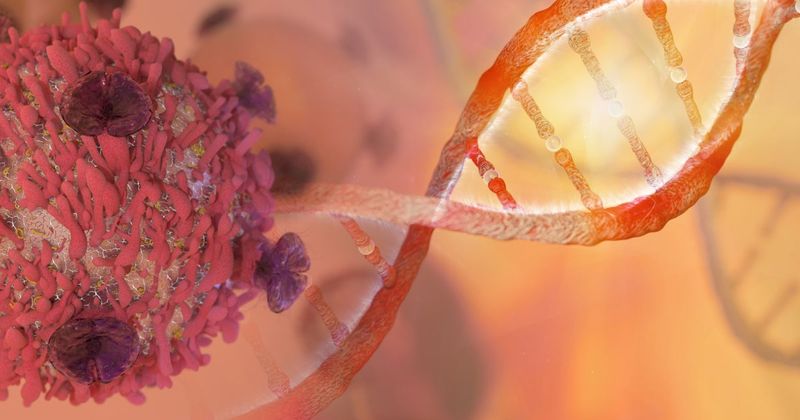
Muscle weakness, joint contractures and distal hyperlaxity point to UCMD, caused by COL6A1, COL6A2 and COL6A3 mutations and checked by biopsy, EMG and DNA tests.

Yellowish lipofuscin builds up in the macula and blurs central vision; OCT, fundus photography and electrooculography support the diagnosis that BEST1 testing confirms.
Infants with WWS show hypotonia, brain malformations such as lissencephaly and eye abnormalities; MRI and POMT1, POMT2, POMGNT1 or FKTN testing confirm it.
Xanthine builds up when purine metabolism enzymes are deficient, sometimes forming kidney stones; urine, blood, imaging and genetic tests identify xanthinuria.

Two genes, CYP2C9 and VKORC1, shape how much acenocoumarol a person needs; testing for those variants is compared with the traditional trial-and-error approach.