
Hyperinsulinism Due to HNF1A Deficiency: Genetic Testing's Role in Diagnosis and Management
An autosomal dominant HNF1A variant can drive excess insulin and low blood sugar. The page covers diagnosis, diazoxide dosing and family planning.


MD · MBA
Physician specializing in genetic analysis and personalized preventive medicine, and author of Outsmart Your Genes.
Brandon Colby is a physician-expert in the fields of genetic analysis and Personalized Preventive Medicine. He holds an MD from the Mount Sinai School of Medicine, an MBA from Stanford University's Graduate School of Business, and a degree in Genetics from the University of Michigan.
Dr. Colby is the author of the book Outsmart Your Genes and has developed numerous technologies that improve the analysis, interpretation, and actionability of genome sequencing data. He is an Affiliate Specialist of the American College of Medical Genetics and Genomics (ACMG), an Associate of the American College of Preventive Medicine (ACPM), and a member of the National Society of Genetic Counselors (NSGC).
Articles by Brandon Colby, MD are reviewed for accuracy by Sequencing's medical and scientific team. This page is for informational purposes and does not constitute medical advice.
An autosomal dominant HNF1A variant can drive excess insulin and low blood sugar. The page covers diagnosis, diazoxide dosing and family planning.
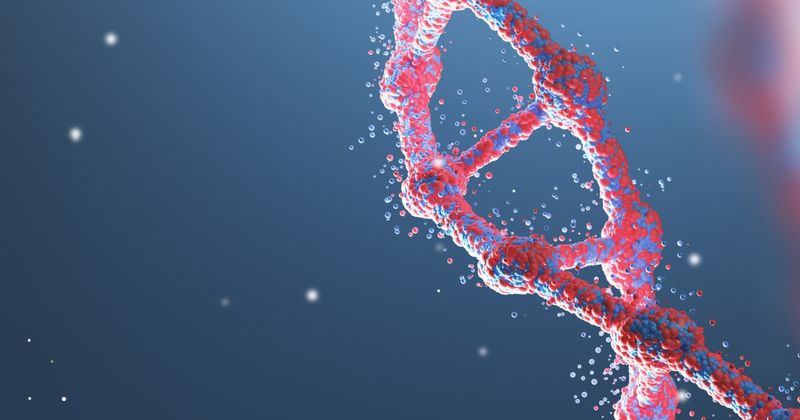
Disrupted migration of GnRH neurons explains why Kallmann syndrome pairs missing puberty with absent smell; KAL1, FGFR1 and PROKR2 are involved.
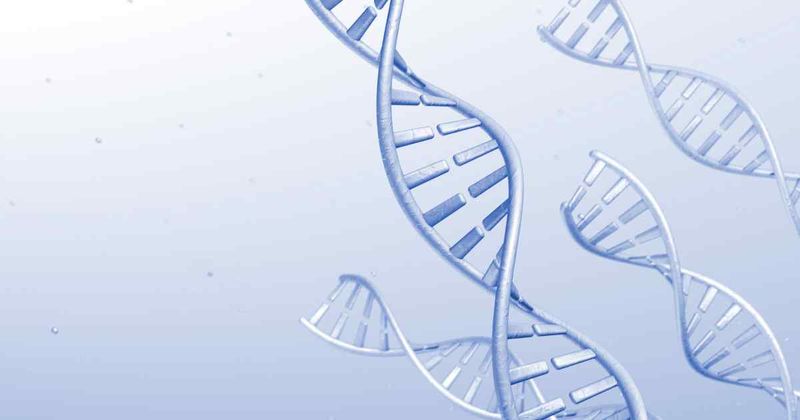
Too little gonadotropin-releasing hormone leaves puberty delayed or absent and fertility affected; a KISS1R mutation is one identified cause.

Poor intake, gut disorders and renal losses all lower blood magnesium, but mutations affecting magnesium transport can keep levels low despite supplementation.
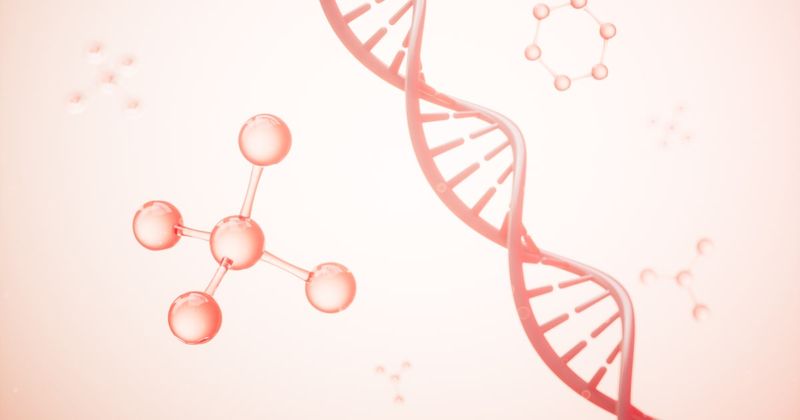
ALPL mutations leave the TNSALP enzyme deficient, so bone and tooth mineralization falters. Testing confirms HPP and informs therapy with ilofotase alfa.

Protein in the urine, swelling and raised cholesterol follow damage to podocytes, the kidney's filtering cells, and mutations in podocyte genes can be tested for.

PIGP mutations disturb glycosylphosphatidylinositol-anchored proteins, causing the seizures and dyskinetic movements seen in IEDE, and testing can confirm the diagnosis.
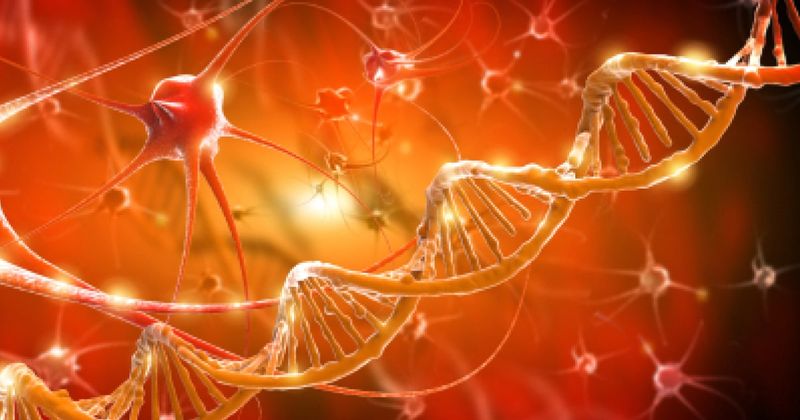
Cystine builds up inside lysosomes when the CTNS gene is faulty, damaging the kidneys; early testing lets cysteamine therapy begin sooner and supports carrier screening.