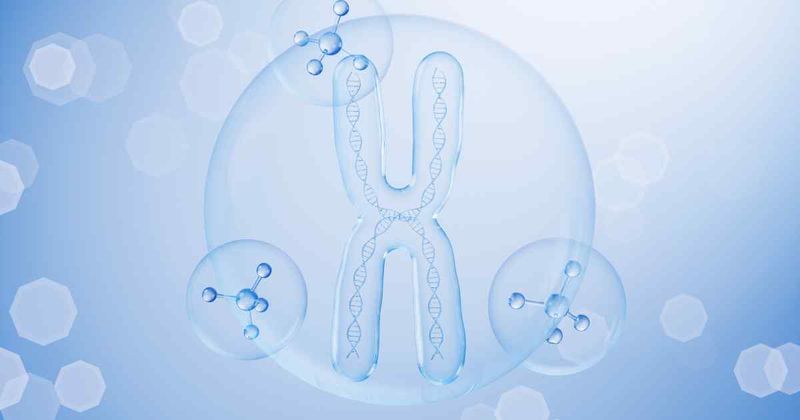
Barrett's Esophagus: Bridging Genetics and Gastroenterology
Stomach acid replaces esophageal cells with intestine-like cells, raising the risk of esophageal adenocarcinoma; genetic markers may help separate higher-risk patients.


MD · MBA
Physician specializing in genetic analysis and personalized preventive medicine, and author of Outsmart Your Genes.
Brandon Colby is a physician-expert in the fields of genetic analysis and Personalized Preventive Medicine. He holds an MD from the Mount Sinai School of Medicine, an MBA from Stanford University's Graduate School of Business, and a degree in Genetics from the University of Michigan.
Dr. Colby is the author of the book Outsmart Your Genes and has developed numerous technologies that improve the analysis, interpretation, and actionability of genome sequencing data. He is an Affiliate Specialist of the American College of Medical Genetics and Genomics (ACMG), an Associate of the American College of Preventive Medicine (ACPM), and a member of the National Society of Genetic Counselors (NSGC).
Articles by Brandon Colby, MD are reviewed for accuracy by Sequencing's medical and scientific team. This page is for informational purposes and does not constitute medical advice.
Stomach acid replaces esophageal cells with intestine-like cells, raising the risk of esophageal adenocarcinoma; genetic markers may help separate higher-risk patients.

Iron overload and endocrine complications often follow the HBB mutations behind this disorder. Studies of HBB, HFE and HAMP show how testing can guide chelation.
Explore how genetic testing helps diagnose bleeding diathesis caused by thromboxane synthesis deficiency, offering insights for personalized treatments and family screening.
BRCA1 and BRCA2 mutations raise breast, ovarian and prostate cancer risk in BOCFS4 families; testing guides surveillance, treatment choices and relatives' decisions.
Corneal thinning that risks rupture, blue sclera, keratoconus and joint hypermobility point to BCS2; ZNF469 testing confirms it and guides protective measures.
TECRL gene mutations cause this CPVT subtype, in which erratic heartbeats in childhood can bring fainting or cardiac arrest. Beta-blockers and ICDs are among the options.
Mitochondrial MT-ATP6 mutations are implicated in CMT2O, where progressive weakness in the lower limbs makes walking and balance harder over time.
IMPAD1 mutations produce the skeletal abnormalities and joint dislocations of the gPAPP type; prenatal testing with ultrasonography and MRI can identify it.