
Understanding SALL4-Related Spectrum Disorders
Duane-radial ray syndrome, Okihiro syndrome and acro-renal-ocular syndrome all stem from SALL4 mutations. Targeted, sequence and deletion tests are compared.

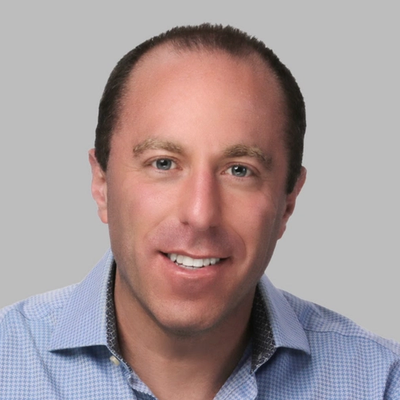
MD · MBA
Physician specializing in genetic analysis and personalized preventive medicine, and author of Outsmart Your Genes.
Brandon Colby is a physician-expert in the fields of genetic analysis and Personalized Preventive Medicine. He holds an MD from the Mount Sinai School of Medicine, an MBA from Stanford University's Graduate School of Business, and a degree in Genetics from the University of Michigan.
Dr. Colby is the author of the book Outsmart Your Genes and has developed numerous technologies that improve the analysis, interpretation, and actionability of genome sequencing data. He is an Affiliate Specialist of the American College of Medical Genetics and Genomics (ACMG), an Associate of the American College of Preventive Medicine (ACPM), and a member of the National Society of Genetic Counselors (NSGC).
Articles by Brandon Colby, MD are reviewed for accuracy by Sequencing's medical and scientific team. This page is for informational purposes and does not constitute medical advice.
Duane-radial ray syndrome, Okihiro syndrome and acro-renal-ocular syndrome all stem from SALL4 mutations. Targeted, sequence and deletion tests are compared.

Loss of sensation and progressive leg stiffness appear together in this rare disorder; neurological exams, MRI and DNA analysis confirm it and guide care.

Two conditions follow SETX mutations: ALS4 and ataxia with oculomotor apraxia type 2. Testing confirms the diagnosis and shows whether parents carry the variant.

Limits in intellectual functioning and adaptive behavior begin before age 18; chromosomal changes, single-gene mutations and copy number variants are all tested for.

Diastrophic dysplasia, atelosteogenesis type 2, achondrogenesis 1B and recessive multiple epiphyseal dysplasia all follow autosomal recessive SLC26A2 mutations.

Targeted gene testing, whole exome sequencing and whole genome sequencing are the routes used to name the mutation behind recessive spastic paraplegia (SPG).

Blood tests, a physical examination and family history point to dominant spherocytosis, the more common and milder form, with DNA testing settling inconclusive cases.

Hemolytic anemia, jaundice and an enlarged spleen follow premature red cell breakdown; a blood smear, osmotic fragility test and DNA testing confirm the recessive form.