
Immunodeficiency 31B: How Genetic Testing Guides Care
One of the inborn errors of immunity, Immunodeficiency 31B brings recurrent infections and autoimmune manifestations. Gene sequencing can confirm it and guide treatment.

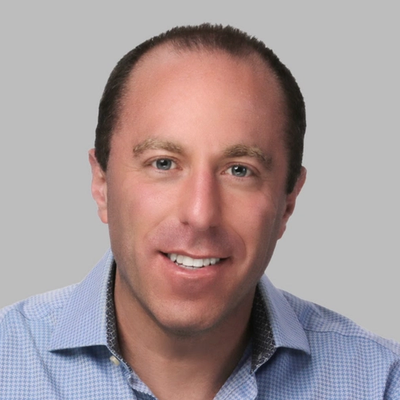
MD · MBA
Physician specializing in genetic analysis and personalized preventive medicine, and author of Outsmart Your Genes.
Brandon Colby is a physician-expert in the fields of genetic analysis and Personalized Preventive Medicine. He holds an MD from the Mount Sinai School of Medicine, an MBA from Stanford University's Graduate School of Business, and a degree in Genetics from the University of Michigan.
Dr. Colby is the author of the book Outsmart Your Genes and has developed numerous technologies that improve the analysis, interpretation, and actionability of genome sequencing data. He is an Affiliate Specialist of the American College of Medical Genetics and Genomics (ACMG), an Associate of the American College of Preventive Medicine (ACPM), and a member of the National Society of Genetic Counselors (NSGC).
Articles by Brandon Colby, MD are reviewed for accuracy by Sequencing's medical and scientific team. This page is for informational purposes and does not constitute medical advice.
One of the inborn errors of immunity, Immunodeficiency 31B brings recurrent infections and autoimmune manifestations. Gene sequencing can confirm it and guide treatment.

Frequent respiratory and skin infections mark this primary immunodeficiency; sequencing can identify the causative mutation, including through newborn screening.

Because symptoms run from repeated respiratory infections to autoimmune disease, CVID3 resists clinical diagnosis; naming the mutation narrows the picture.

Several disorders share the clinical picture of CVID Type 4, so identifying the mutation separates them and guides treatment and genetic counseling.

Traditional workups rule out other causes step by step; for CVID5, direct mutation testing shortens that path and informs therapy and reproductive decisions.

Reduced antibody production leaves people with CVID6 open to infection, and mutation analysis distinguishes it from lookalike immunodeficiencies.

Recognition and clearance of pathogens depend on ficolin3, and a shortage can bring recurrent infections, often first seen in infancy or early childhood.

Many people with this deficiency stay symptom-free, which makes clinical diagnosis hard; sequencing the MASP2 gene identifies it and shapes monitoring plans.