DEE14 and KCNT2: Potassium Channels and Diagnosis
Mutations in KCNT2 alter potassium channels in the brain, producing the intractable seizures and developmental delay seen in DEE14. Testing identifies the exact variant.

MD · MBA
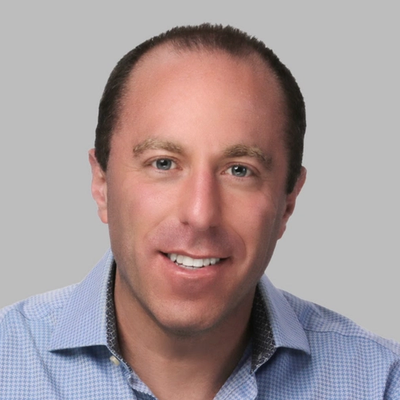
Physician specializing in genetic analysis and personalized preventive medicine, and author of Outsmart Your Genes.
Brandon Colby is a physician-expert in the fields of genetic analysis and Personalized Preventive Medicine. He holds an MD from the Mount Sinai School of Medicine, an MBA from Stanford University's Graduate School of Business, and a degree in Genetics from the University of Michigan.
Dr. Colby is the author of the book Outsmart Your Genes and has developed numerous technologies that improve the analysis, interpretation, and actionability of genome sequencing data. He is an Affiliate Specialist of the American College of Medical Genetics and Genomics (ACMG), an Associate of the American College of Preventive Medicine (ACPM), and a member of the National Society of Genetic Counselors (NSGC).
Articles by Brandon Colby, MD are reviewed for accuracy by Sequencing's medical and scientific team. This page is for informational purposes and does not constitute medical advice.
Mutations in KCNT2 alter potassium channels in the brain, producing the intractable seizures and developmental delay seen in DEE14. Testing identifies the exact variant.
Recurrent seizures, cognitive impairment and motor difficulty appear early in DEE15, which research links to isoform-specific start-loss mutations in the UGP2 gene.

An inherited marrow failure syndrome with congenital abnormalities and cancer predisposition, DBA11 follows an RPS7 mutation that impairs protein translation.
An enlarged, weakened heart muscle pumps blood poorly in DCM1II, causing fatigue and shortness of breath; finding variants early also lets relatives be screened.

Developmental delays, seizures, hypotonia and cerebral abnormalities mark this metabolic disorder, split into D-2-HGA and L-2-HGA subtypes with distinct causes.
Part of the combined and complex dystonia group, this condition is studied through diagnostic exome sequencing, which can name the mutation behind the movements.
Missing teeth, sparse hair and an inability to sweat follow from changes in the EDARADD gene, and one altered copy is enough to cause ED 11A in a child.

Both parents must pass on the altered gene in this recessive form, which affects sweating, hair growth, nails and tooth development in different ways per person.